



What's Happening?
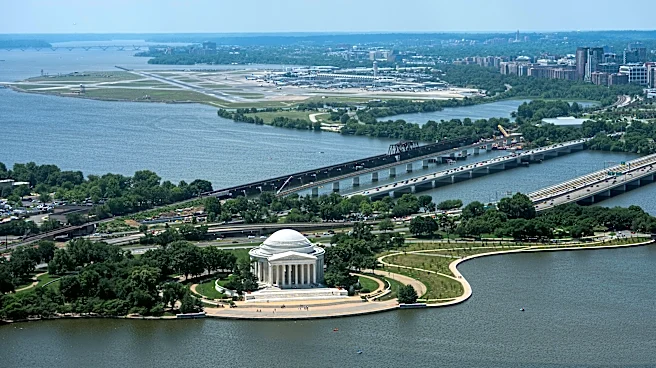
Thomas Jefferson's legacy continues to be a subject of debate and reinterpretation as the United States approaches its 250th anniversary. Historians and scholars reflect on Jefferson's complex persona, which embodies both the ideals and contradictions
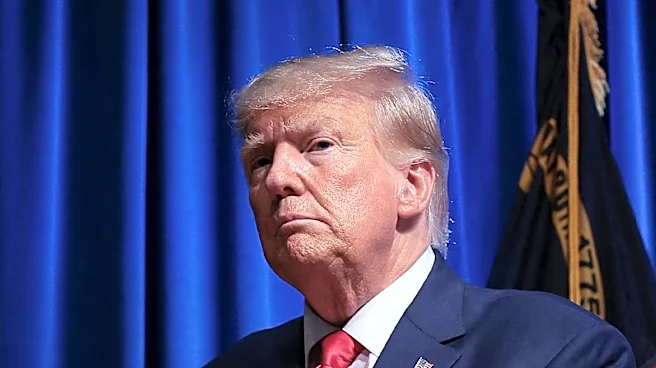
of American history. Known for drafting the Declaration of Independence, Jefferson's life as a slaveholder presents a stark contrast to his advocacy for liberty and equality. His influence spans various political ideologies, from states' rights to federalism, and he has been invoked by figures across the political spectrum, including President Trump, who referenced Jefferson in discussions about media credibility.
Why It's Important?
Jefferson's enduring legacy highlights the ongoing struggle to reconcile America's founding ideals with its historical realities. His life and work serve as a lens through which contemporary issues such as race, governance, and civil rights are examined. The debates surrounding Jefferson's legacy reflect broader societal challenges in addressing historical injustices and shaping a more inclusive future. As the nation grapples with these issues, Jefferson's multifaceted persona offers insights into the complexities of American identity and the continuous evolution of its democratic principles.
Beyond the Headlines
Jefferson's legacy is not only a historical matter but also a cultural and ethical one. His role as a slaveholder juxtaposed with his contributions to American democracy raises questions about the moral foundations of the nation. Institutions like Monticello, Jefferson's estate, strive to present an unvarnished narrative of his life, acknowledging both his achievements and his participation in slavery. This approach encourages a more nuanced understanding of history, prompting discussions about how to honor the past while addressing its injustices.