









What's Happening?
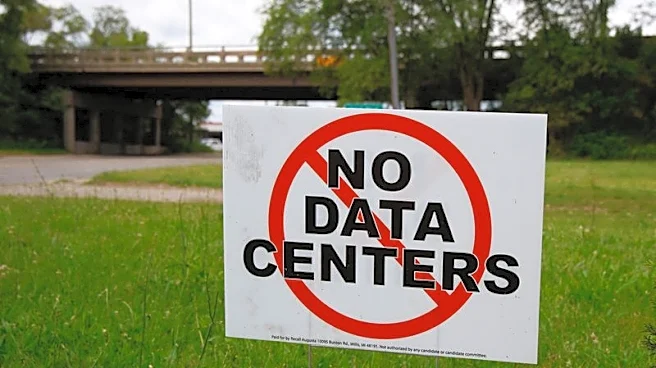
The Jersey City Council has introduced a bill aimed at prohibiting the construction of new data centers on industrial land within the city. This legislative move is part of a broader effort to manage land use and preserve industrial areas for traditional
manufacturing and other industrial purposes. The council's decision comes amid growing concerns about the rapid expansion of data centers, which are known for their high energy consumption and significant land use. The bill reflects the city's strategic planning priorities, focusing on sustainable development and the efficient use of available land resources.
Why It's Important?
The proposed ban on new data centers in Jersey City highlights a critical urban planning issue faced by many cities: balancing technological infrastructure needs with sustainable land use. Data centers, while essential for supporting digital economies, require substantial energy and space, often leading to increased environmental and infrastructural pressures. By restricting their development, Jersey City aims to protect its industrial zones for traditional uses, potentially preserving jobs and supporting local manufacturing. This decision could influence other municipalities facing similar challenges, prompting a reevaluation of how urban areas accommodate technological growth while maintaining environmental and economic sustainability.
What's Next?
If the bill is passed, Jersey City will need to establish clear guidelines and enforcement mechanisms to ensure compliance. The city may also explore alternative locations for data centers that do not compromise industrial land. Stakeholders, including technology companies and environmental groups, are likely to engage in discussions about the implications of this policy. The outcome could set a precedent for other cities grappling with similar land use dilemmas, potentially leading to a broader policy shift in urban planning strategies across the region.