






What's Happening?
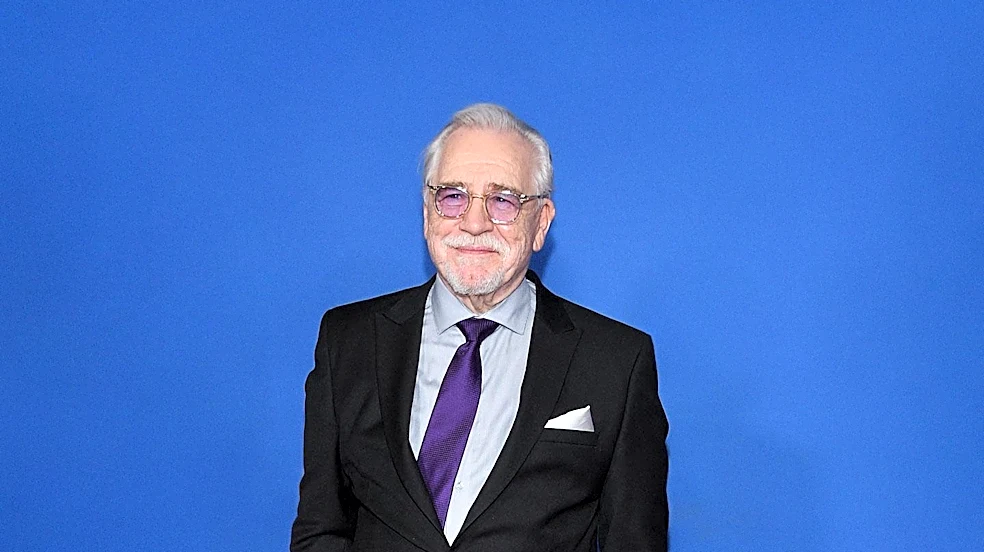
Professor Brian Cox, a physicist, has publicly stated his skepticism regarding the presence of extraterrestrial life or alien technology at Area 51, the highly classified United States Air Force facility in Nevada. In an exclusive interview with LADbible,
Cox explained that while the search for life beyond Earth is a significant scientific endeavor, he finds it astonishing that any government could keep such a massive secret as alien spacecraft or beings hidden at Area 51. He pointed to the sheer scale of such a secret and the general competence of governments as reasons for his disbelief. Cox acknowledged that governments do keep secrets, such as nuclear weapons technology, but suggested that concealing an entire alien base would be an entirely different magnitude of secrecy. His comments come amidst ongoing public fascination and conspiracy theories surrounding Area 51 and potential government cover-ups concerning alien encounters.
Why It's Important?
Professor Cox's statements are important as they offer a scientific perspective on a long-standing and popular U.S. conspiracy theory. His position, rooted in physics and an understanding of governmental operations, challenges the narrative that the U.S. government is actively hiding alien life at Area 51. This contributes to the broader public discourse on science, skepticism, and the nature of evidence, particularly in an era where misinformation and unverified claims can spread rapidly. By providing a reasoned argument against the Area 51 alien theories, Cox encourages critical thinking and a reliance on verifiable facts over speculation. His remarks also touch upon the profound implications for humanity if intelligence is indeed rare in the universe, suggesting a significant responsibility for our species to preserve meaning in our corner of space, which he finds a terrifying prospect.
What's Next?
While Professor Cox's comments are unlikely to definitively end the Area 51 conspiracy theories, they contribute to the ongoing scientific and public debate about extraterrestrial life. Future discussions may continue to weigh scientific evidence and logical arguments against persistent popular beliefs. The scientific community will likely continue its search for exoplanets and signs of life beyond Earth, using advanced telescopes and research methods. Public interest in space exploration and the possibility of alien life is expected to remain high, potentially leading to more scientific outreach and educational efforts to distinguish between scientific inquiry and speculative theories. The U.S. government's stance on Area 51 is expected to remain consistent, maintaining its classified status for national security reasons without directly addressing alien-related claims.
Beyond the Headlines
The enduring fascination with Area 51 and alien conspiracy theories highlights deeper societal aspects, including a distrust of government institutions and a human desire to believe in the unknown or extraordinary. Professor Cox's perspective underscores the challenge of distinguishing between scientific inquiry and speculative narratives, particularly when dealing with topics that capture the public imagination. The idea that intelligence might be extremely rare in the universe, as Cox suggests, carries significant philosophical and existential weight. It implies a unique burden on humanity to ensure the continuation of meaning and consciousness, shifting the focus from external alien encounters to our own responsibility within the cosmos. This ethical dimension prompts reflection on humanity's place in the universe and the importance of our actions.