







What's Happening?
The town of Stow, Massachusetts, is taking action to fire Officer Jason Rogers and is pursuing criminal charges against him for allegedly misusing Flock surveillance cameras. Rogers is accused of improperly accessing information about an acquaintance
on at least five occasions and running vehicle information through Flock Safety and Criminal Justice Information Services without legitimate law enforcement reasons. The Stow Police Department initiated an internal affairs investigation after receiving a complaint on June 18, which sustained findings of conduct unbecoming of an officer, improper use of an official position, and violations of department policies. Rogers was placed on paid administrative leave and his access to department systems was revoked within three hours of the complaint. The case has been forwarded to the Middlesex County District Attorney's Office. In response to these concerns, the Stow Police Department has removed multiple license plate readers from the area to review public safety concerns and plans to present an updated automated license plate reader (ALPR) policy to the Select Board.
Why It's Important?
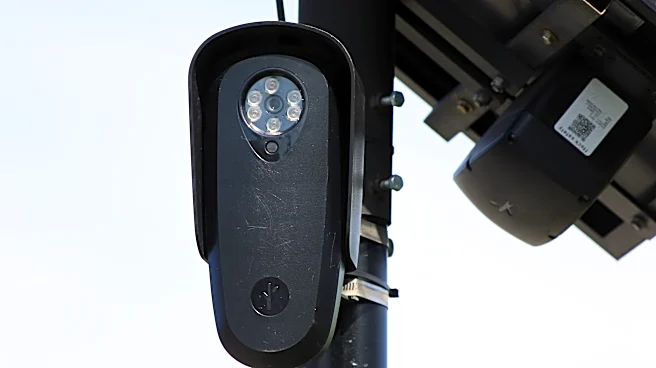
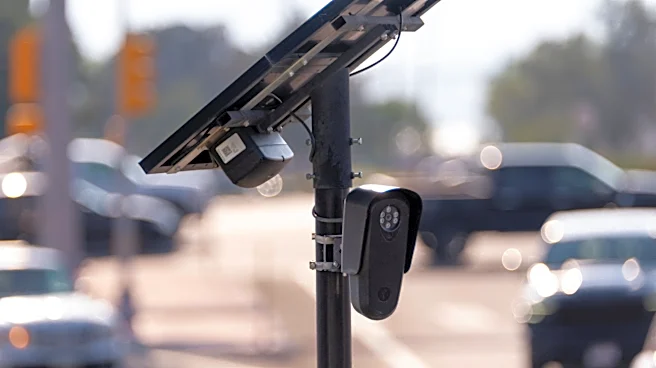
This incident highlights significant concerns regarding privacy, civil liberties, and the potential for abuse of surveillance technology by law enforcement. Flock cameras, which automatically photograph every passing vehicle and store data, raise questions about the extent of surveillance and the safeguards in place to prevent misuse. The alleged actions of Officer Rogers underscore the critical need for strict policies, oversight, and accountability in the deployment and use of such powerful tools. The town's decision to remove cameras and revise its ALPR policy reflects a growing awareness of public concerns about mass surveillance and the importance of balancing public safety with individual rights. This case contributes to a broader national conversation about the ethical implications of advanced surveillance technologies and the trust placed in law enforcement to use them responsibly.
What's Next?
An employment status hearing for Officer Jason Rogers is scheduled for August 26, which will determine his future with the Stow Police Department. The Middlesex County District Attorney's Office will proceed with the criminal complaint against Rogers. The Stow Police Department will present an updated ALPR policy to the Select Board, outlining explicit use criteria, supervisory approval requirements, and aggressive logging and reporting standards for any future re-implementation of similar systems. This incident may also prompt other municipalities and law enforcement agencies to review their own policies and practices regarding surveillance technology. Flock Safety, the company behind the cameras, has already announced changes, including requiring a criminal case number for database searches and reducing data retention from 30 to seven days, indicating a response to growing backlash and concerns about data privacy.
Beyond the Headlines
The misuse of Flock cameras by law enforcement officers, as seen in Stow and other reported incidents across the country, reveals a deeper systemic challenge in managing powerful surveillance technologies. The ability of officers to access sensitive information for personal reasons erodes public trust and raises fundamental questions about the checks and balances within police departments. This situation necessitates a comprehensive re-evaluation of training, internal oversight mechanisms, and accountability measures for officers using such systems. The debate extends beyond individual misconduct to the broader implications of pervasive surveillance on a democratic society, including the potential for chilling effects on free movement and association. The push for updated policies and stricter controls reflects a societal demand for transparency and protection against unwarranted intrusion into private lives, emphasizing the ongoing tension between security and liberty in the digital age.