



What's Happening?
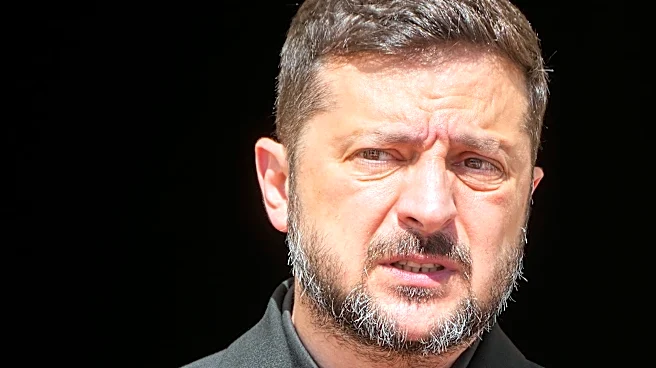
In 2019, President Donald Trump engaged in a second phone call with Ukrainian President Volodymyr Zelenskyy. During this conversation, President Trump requested Zelenskyy's assistance in gathering potentially damaging information about former Vice President Joe
Biden. This request was part of a broader context involving U.S. foreign policy and military aid to Ukraine. On the same day as the call, a staff member at the White House Office of Management and Budget signed a document that officially put military aid for Ukraine on hold. This development was significant as it linked U.S. military support to Ukraine with political investigations, raising questions about the intersection of foreign policy and domestic political interests.
Why It's Important?
The incident involving President Trump and President Zelenskyy is significant due to its implications for U.S. foreign policy and domestic politics. The withholding of military aid to Ukraine, a country facing aggression from Russia, highlighted the potential use of foreign policy tools for domestic political gain. This situation raised ethical and legal questions about the conduct of U.S. foreign policy and the potential abuse of presidential power. The event also contributed to the political discourse in the U.S., influencing public opinion and political dynamics, particularly in the context of the 2020 presidential election. It underscored the importance of transparency and accountability in government actions, especially when national security interests are at stake.
What's Next?
Following the revelation of the phone call and the hold on military aid, there were significant political and legal repercussions. The incident became a central issue in the impeachment inquiry against President Trump, leading to his impeachment by the House of Representatives. The Senate later acquitted him. The situation also prompted discussions about the need for clearer guidelines and oversight regarding the use of presidential power in foreign policy. Moving forward, it is likely that there will be increased scrutiny of executive actions related to foreign aid and international relations, as well as ongoing debates about the balance of power between the executive and legislative branches.