





What's Happening?
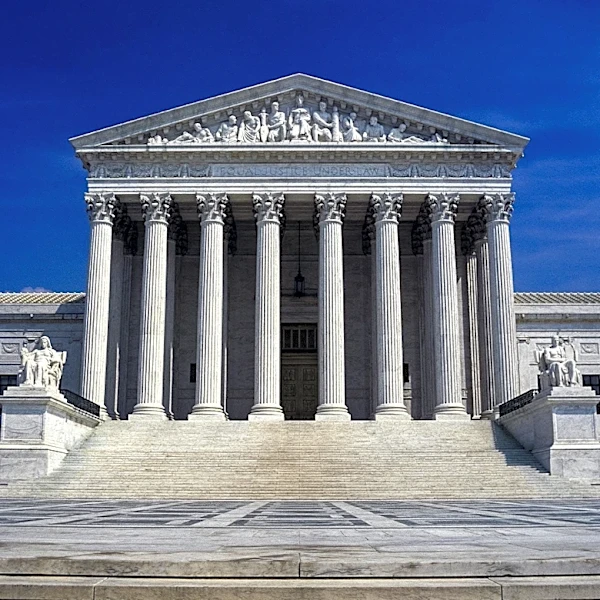
Democratic U.S. Representative Cleo Fields announced he will not seek reelection in his redrawn Louisiana congressional district. This decision follows a significant U.S. Supreme Court ruling that deemed the district's previous configuration as an unconstitutional
gerrymander due to its heavy reliance on race. The state legislature redrew the district in May to favor Republicans in the upcoming midterm elections. Fields, a long-standing figure in Louisiana politics, has decided to pursue a seat in the state Senate instead. The Supreme Court's ruling has intensified the national debate over redistricting, a process heavily influenced by President Trump's efforts to secure Republican advantages in the midterms. The new district map clusters Fields' district around predominantly white communities, altering its demographic makeup.
Why It's Important?
The redistricting of Cleo Fields' district is part of a broader national struggle over voting rights and representation, with significant implications for political power distribution. The Supreme Court's involvement underscores the contentious nature of gerrymandering, a practice that can significantly impact electoral outcomes by manipulating district boundaries. Fields' decision not to run highlights the challenges faced by minority representatives in maintaining political influence amid such changes. The redistricting efforts in Louisiana reflect a strategic move by Republicans to consolidate power, potentially affecting the balance of political representation in the state and beyond. This case exemplifies the ongoing battle over fair representation and the role of race in political districting.
What's Next?
With Fields stepping down, the focus shifts to the upcoming elections and how the new district lines will influence voter turnout and party representation. The redistricting may lead to increased legal challenges and further scrutiny of gerrymandering practices. Political analysts will be watching closely to see if similar redistricting efforts occur in other states, potentially prompting more Supreme Court interventions. Fields' move to the state Senate could also impact local politics, as his experience and influence may shape legislative priorities in Louisiana.