




What's Happening?
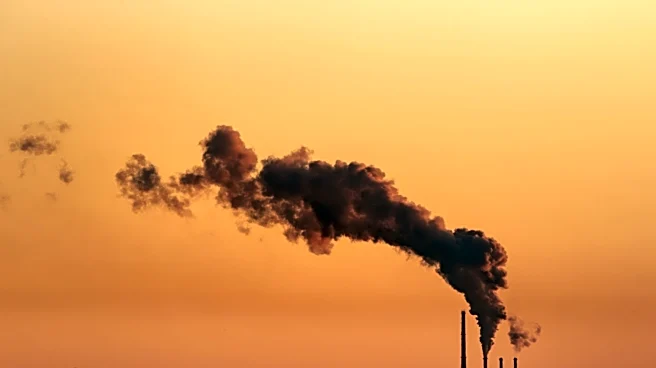
The New Mexico Environment Department (NMED) has proposed new rules to mandate investigations and fixes for major methane leaks, aiming to reduce air pollution and natural gas waste. Announced on Friday, the proposal seeks to establish a statewide program
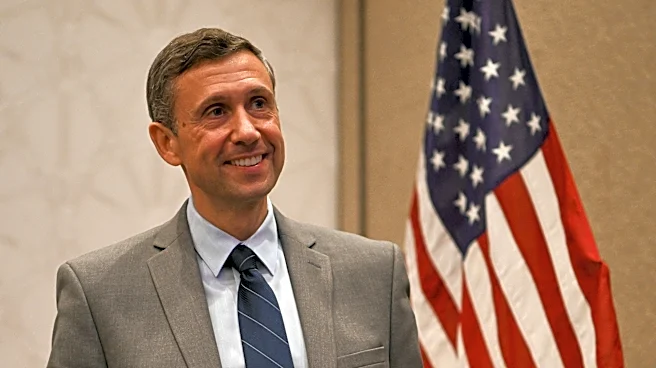
that will use satellite and aircraft imagery to identify large methane leaks. Upon detection of potential leaks, NMED officials would notify oil and gas operators in the affected areas, requiring them to investigate. If a leak is confirmed, operators would be obligated to repair it and submit a report to the Environment Department. Most investigations and repairs would need to be completed within three days of the initial notification. Additionally, the proposed rules would increase requirements for oil and gas operating equipment to align more closely with federal standards by 2031. NMED Secretary James Kenney stated that these rules build on New Mexico's existing oil and gas regulations and aim to keep natural gas in the pipeline.
Why It's Important?
This proposal is a significant step for New Mexico in addressing climate change and air quality concerns, particularly within its oil and gas industry. Methane is a potent greenhouse gas, and reducing its emissions has a direct impact on mitigating climate change. By mandating rapid investigation and repair of leaks, the state aims to significantly cut down on atmospheric methane, which also represents a waste of valuable natural resources. The use of advanced technology like satellite and aircraft imagery for detection signifies a modern, data-driven approach to environmental regulation. This initiative could set a precedent for other states and potentially influence federal policy, especially given the Environmental Defense Fund's praise for the proposed rules as 'significantly stronger' than those of the U.S. Environmental Protection Agency. It underscores New Mexico's commitment to environmental protection amidst ongoing debates about energy production.
What's Next?
The proposed rules will now be reviewed by the governor-appointed Environmental Improvement Board, which will decide whether to proceed with a public hearing. If approved, the public hearing process will allow stakeholders, including environmental groups, oil and gas operators, and local communities, to provide feedback on the proposed regulations. Following public input, the board will make a final decision on the adoption of the rules. If implemented, oil and gas operators in New Mexico will need to adapt their practices to comply with the new investigation and repair timelines, as well as the updated equipment standards by 2031. The effectiveness of the satellite and aircraft imagery program in identifying leaks will also be closely monitored, potentially leading to further refinements in detection and enforcement strategies.
Beyond the Headlines
Beyond the immediate environmental and regulatory implications, this initiative highlights a broader philosophical shift in how states are approaching environmental governance, particularly in the context of energy production. By taking a proactive stance that is described as stronger than federal standards, New Mexico is positioning itself as a leader in state-level climate action. This move also reflects a growing recognition of the economic value of preventing natural gas waste, aligning environmental protection with resource efficiency. The emphasis on rapid response to leaks underscores a commitment to minimizing environmental impact in real-time, rather than solely relying on long-term compliance measures. This approach could foster innovation within the oil and gas industry as companies seek more efficient and less emissive operational methods, potentially leading to new technologies and best practices that could be adopted more widely.