








What's Happening?
Europe's electricity markets experienced significant strain during the warmest summer on record, characterized by extreme heatwave conditions. This led to soaring electricity demand across Central and Eastern Europe. Concurrently, drought conditions impacted
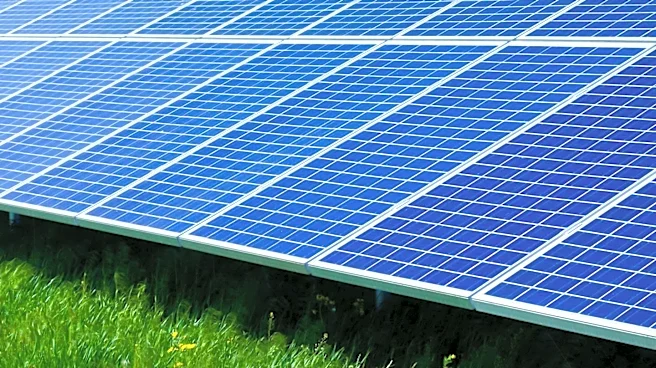
hydropower generation, and nuclear plants faced challenges due to a lack of cooling water. These factors collectively pushed hourly electricity prices close to €1,000/MWh in the affected regions. Despite these pressures, solar power played a crucial role in stabilizing the system, covering over half of the midday electricity demand. This contribution from solar energy is estimated to have saved consumers approximately €1.13 billion in late June alone, preventing more severe price spikes and potential blackouts.
Why It's Important?
The European experience highlights the increasing vulnerability of traditional electricity grids to extreme weather events, a concern that has implications for the U.S. as well. The reliance on hydropower and nuclear energy, which are susceptible to environmental factors like drought and water availability, underscores the need for diversified and resilient energy portfolios. The significant contribution of solar power in mitigating the crisis demonstrates its growing importance as a reliable energy source, particularly during peak demand periods. For the U.S., this suggests that continued investment in renewable energy infrastructure, especially solar and energy storage solutions, could be vital in safeguarding against similar grid stress events and ensuring energy security amidst changing climate patterns. The economic savings attributed to solar power also present a compelling case for its broader adoption.
What's Next?
The European situation indicates a critical need for enhanced energy storage solutions to address evening price spikes, which occurred despite solar's midday contributions. EU policymakers are expected to focus on developing strategies to integrate more storage capacity into the grid to ensure continuous power supply and prevent future price volatility. For the U.S., this could translate into increased policy discussions and incentives for battery storage and other grid-scale energy storage technologies. Furthermore, the event may prompt a re-evaluation of existing energy infrastructure and contingency plans for extreme weather, potentially leading to accelerated investments in smart grid technologies and decentralized energy systems to improve overall grid resilience.
Beyond the Headlines
This event underscores a broader global challenge: the intersection of climate change and energy infrastructure. The stress on Europe's electricity markets is not merely an isolated incident but a harbinger of potential future challenges for other developed nations, including the U.S. It highlights the ethical imperative to transition towards sustainable energy sources not only for environmental reasons but also for economic stability and national security. The reliance on solar power to avert a more severe crisis also points to a fundamental shift in energy paradigms, where renewable sources are no longer just supplementary but are becoming foundational to grid stability. This could accelerate the decline of fossil fuel dependency and reshape geopolitical energy dynamics in the long term.