






What's Happening?
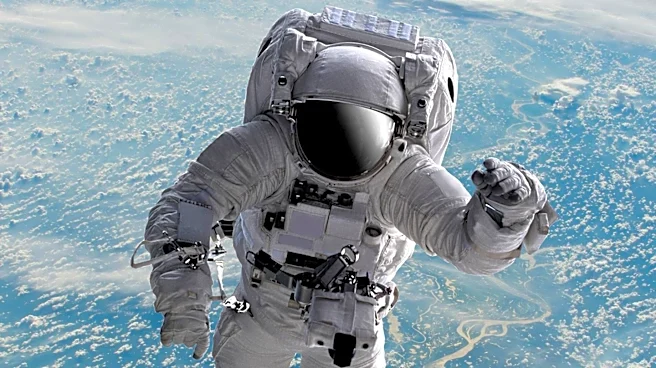
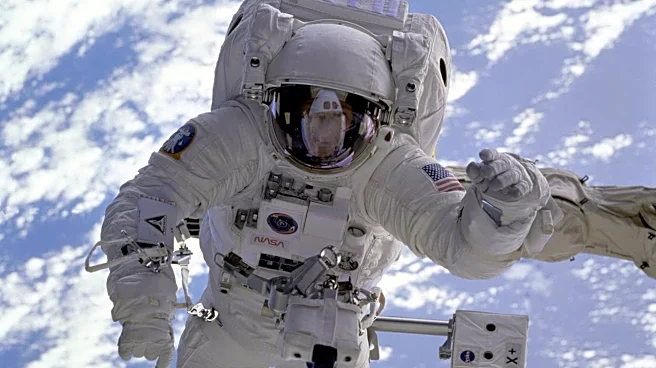
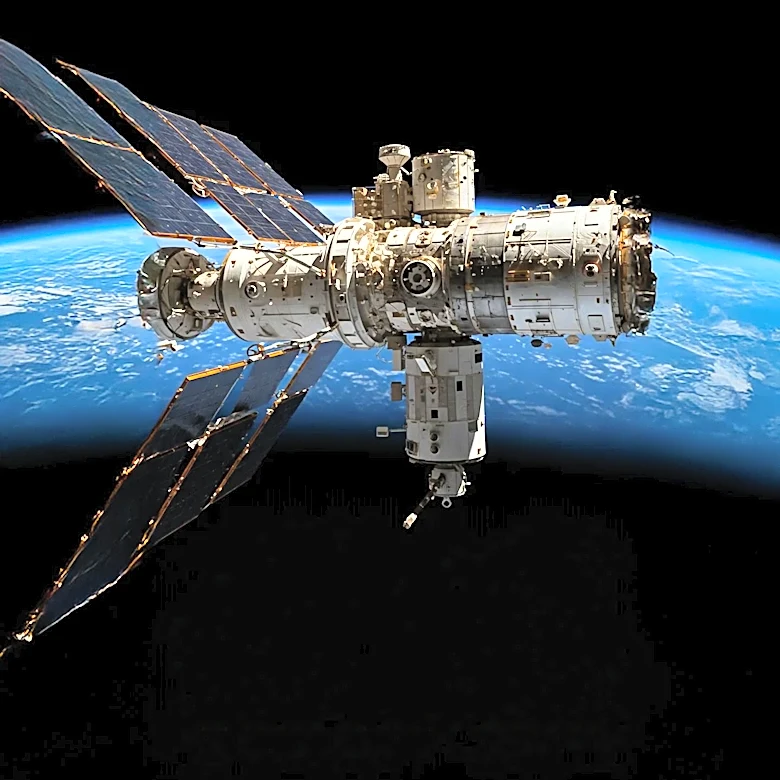
Anil Menon, a NASA astronaut of Indian origin, is set to begin an eight-month mission to the International Space Station (ISS) on July 14. Launching from the Baikonur Cosmodrome in Kazakhstan, Menon will be accompanied by Russian cosmonauts Pyotr Dubrov
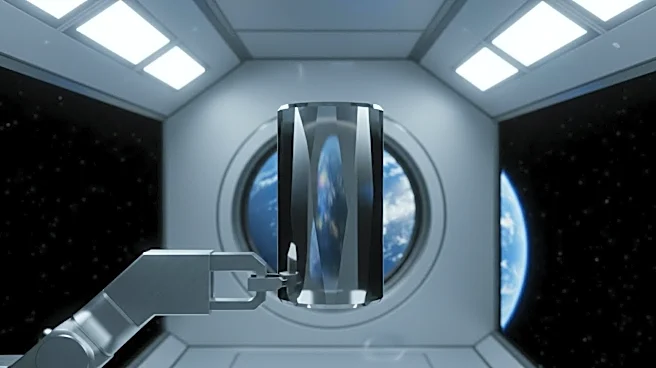
and Anna Kikina aboard the Roscosmos Soyuz MS-29 spacecraft. During his mission, Menon will conduct several scientific investigations, including studies on the effects of prolonged space travel on the human body, such as microgravity's impact on blood circulation and vein structure. He will also test new technologies to generate intravenous fluids using the station's drinking water system, a critical innovation for future deep-space missions. Additionally, Menon will advance research on manufacturing semiconductor crystals in space, aiming to produce high-quality components for computing and medical technologies. His work will also involve using augmented reality and artificial intelligence to develop medical capabilities that could reduce the need for Earth-based assistance during space missions.
Why It's Important?
This mission is significant as it addresses key challenges in long-duration space travel, particularly in medical and technological fields. Menon's work on generating intravenous fluids and conducting medical research using augmented reality and artificial intelligence could revolutionize healthcare in space, making future missions to the Moon, Mars, and beyond more feasible. The ability to produce semiconductor crystals in space could lead to advancements in high-performance computing and medical technologies, potentially benefiting industries on Earth. Menon's mission also highlights international collaboration in space exploration, as he will be working alongside Russian cosmonauts, showcasing the importance of global partnerships in advancing scientific knowledge and technology.
What's Next?
Following the mission, the results of Menon's research could influence the planning and execution of future deep-space missions, including those to Mars. The technologies tested and developed during his time on the ISS may be integrated into future spacecraft and mission protocols, enhancing the safety and efficiency of long-duration space travel. The success of these innovations could also lead to further international collaborations in space exploration, as countries work together to overcome the challenges of human spaceflight. Additionally, the findings from Menon's studies could have applications in medical and technological fields on Earth, potentially leading to new treatments and technologies.