





What's Happening?
The China Council for International Cooperation on Environment and Development (CCICED), an international high-level policy advisory body, is emphasizing the critical role of cooperation in driving a global shift towards clean energy and addressing environmental
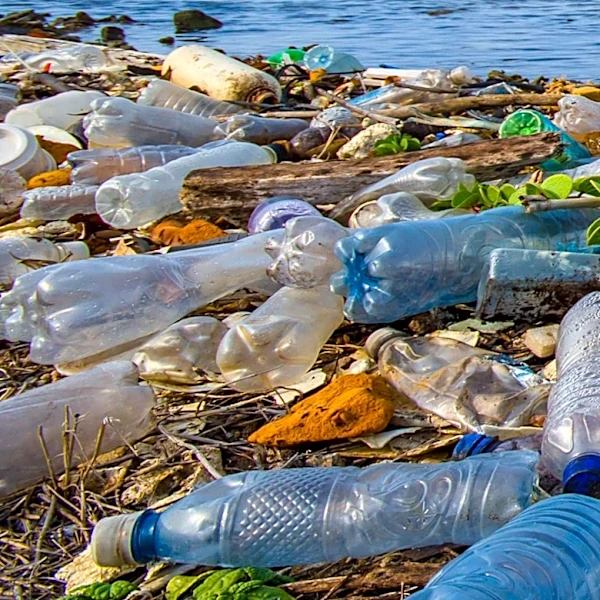
challenges. Huang Runqiu, Chinese executive vice-chairperson for CCICED and China's minister of ecology and environment, highlighted the deepening triple crises of climate change, biodiversity loss, and environmental pollution, which pose severe challenges to sustainable human development. He noted the growing global aspiration for advancing green transition. Canada's Minister of Environment and Climate Change, Steven Guilbeault, underscored that addressing climate change is both a moral imperative and an economic and strategic necessity. He pointed out Canada's progress in clean electricity grids, methane reduction, and nature conservation, and stated that CCICED's recommendations have significantly contributed to China's green transition. The council's research on plastics and the circular economy is considered vital for the development of a legally binding global plastics treaty. Xie Zhenhua, former special envoy on climate change of China, called for open, inclusive, and pragmatic cooperation, urging the international community to enhance confidence and focus on implementing nationally determined contributions, while cautioning against unilateralism.
Why It's Important?
The emphasis on international cooperation by CCICED, a body with significant influence in China's environmental policy, is crucial for global efforts to combat climate change and pollution. For the U.S., this signifies a potential avenue for renewed collaboration with China on environmental issues, despite broader geopolitical tensions. Such cooperation is vital for addressing transboundary environmental problems like climate change and plastic pollution, which require concerted global action. The focus on a legally binding global plastics treaty, supported by CCICED's research, could lead to international regulations that impact U.S. industries, particularly those involved in plastic production and waste management. U.S. companies might face new standards for product design, material use, and waste reduction, potentially driving innovation in sustainable practices. Furthermore, China's green transition, influenced by CCICED's recommendations, presents both challenges and opportunities for U.S. businesses in sectors like clean energy and environmental technology. Increased collaboration could facilitate technology transfer and shared best practices, accelerating the global shift to a low-carbon economy. Conversely, a lack of cooperation could hinder progress on critical environmental goals and create competitive disadvantages for U.S. industries if other nations move forward with more stringent environmental policies.
What's Next?
The CCICED will likely continue to provide strategic advice to the Chinese government on environmental policies, with a continued focus on green transition and international cooperation. The council's research, particularly on plastics and the circular economy, is expected to inform ongoing negotiations for a global plastics treaty. This suggests that the international community, including the U.S., will continue to engage in discussions to establish a legally binding framework for plastic pollution. Countries will be urged to enhance their nationally determined contributions to climate action, implying a need for more ambitious climate policies and targets. The call for open and pragmatic cooperation suggests that diplomatic efforts will be made to bridge divides and foster collaborative solutions to environmental challenges. For U.S. policymakers and businesses, this means closely monitoring international environmental negotiations and considering how potential global agreements might shape domestic regulations and market demands. Continued engagement with international bodies like CCICED could offer opportunities for the U.S. to influence global environmental governance and promote its own clean energy and sustainability initiatives.
Beyond the Headlines
The CCICED's role as a bridge between China and the world, offering strategic advice in a complex geopolitical landscape, highlights the intricate relationship between environmental policy and international relations. The council's emphasis on cooperation, even amidst global transformations, underscores the recognition that environmental crises transcend national borders and require collective solutions. This perspective challenges the notion that environmental action can be effectively pursued in isolation, suggesting that unilateralism could undermine global efforts. The integration of environmental concerns into economic and strategic necessities, as articulated by Canada's Minister Guilbeault, reflects a growing understanding that ecological sustainability is intrinsically linked to national security and economic prosperity. The ongoing research into plastics and the circular economy, and its contribution to a global plastics treaty, signifies a paradigm shift towards a more holistic approach to resource management, moving beyond end-of-pipe solutions to address the entire life cycle of materials. This broader implication suggests a future where environmental considerations are deeply embedded in trade agreements, industrial policies, and international development agendas, reshaping global governance and economic structures.