


What's Happening?
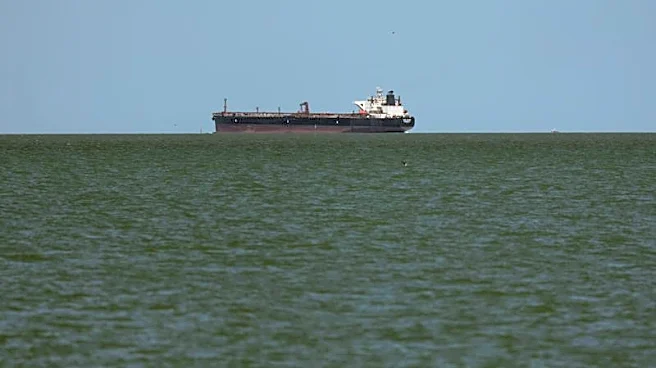
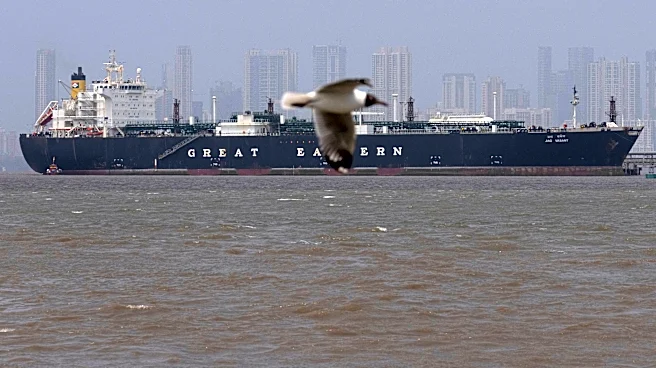
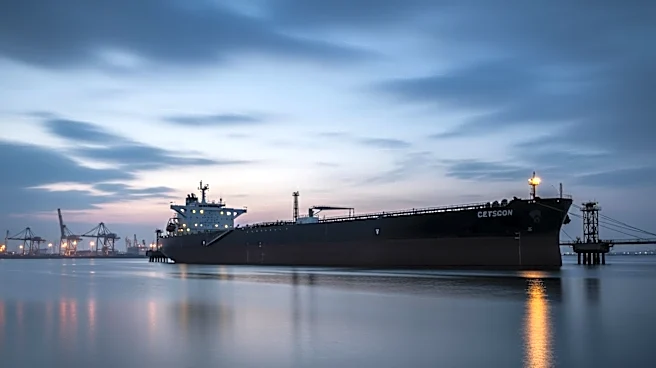
Tanker availability along the U.S. Gulf Coast has significantly decreased as Asian and European refiners seek to replace Middle Eastern oil supplies disrupted by the Iran war. The conflict has stalled tanker movements through the Strait of Hormuz, prompting
refiners to source oil from the United States, Brazil, and West Africa. This shift has led to a surge in freight rates, with Suezmax and Aframax vessels earning unprecedented amounts. The reduced availability of tankers is impacting the cost of moving oil globally, which could affect economic activity as these costs are passed on to consumers.
Why It's Important?
The decline in tanker availability and the resulting increase in freight rates could have significant economic implications. Higher transportation costs for oil and fuel may lead to increased prices for everyday goods, affecting consumers and potentially slowing economic growth. The situation underscores the vulnerability of global oil supply chains to geopolitical conflicts and highlights the importance of diversifying supply sources. As refiners continue to seek alternative sources, the U.S. Gulf Coast plays a crucial role in meeting global oil demand, impacting both domestic and international markets.