
What's Happening?
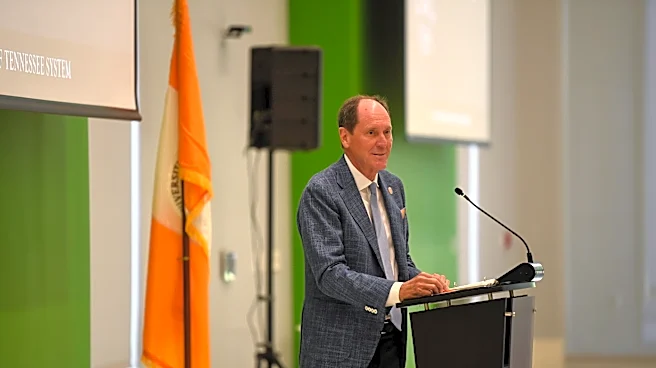
Murray State University President Ron Patterson and leaders from BHDP Architecture presented an update on the ongoing Campus Master Plan development. The plan aims to modernize, enhance accessibility,
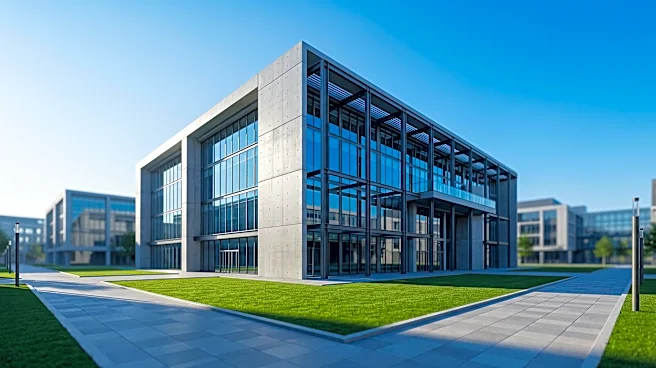
and increase the attractiveness of the university over the next 10 to 30 years. Key initiatives include renovations to Faculty Hall, the construction of a new Veterinary Sciences Building at the West Farm, and the consolidation of departments to optimize space utilization. A fall 2025 Space Utilization Analysis revealed that only 20% of classrooms are currently utilized daily, a figure the plan seeks to raise to 53%. This would open up 84 out of 184 rooms for various campus activities. Specific renovations include transforming Blackburn Science Building into a year-round Racer One Stop, Oakley Applied Science Building into a purely academic facility, and Carr Hall into a student services hub. The West Farm upgrades will feature an Ambulatory Vet Clinic, an Academic and Facilities Support Barn, and equipment storage. The plan also addresses campus safety by proposing discussions with the city to divert traffic away from the university's interior.
Why It's Important?
This Campus Master Plan signifies a significant investment in Murray State University's future infrastructure and student experience. By modernizing facilities and optimizing space, the university aims to create a more efficient and engaging environment for its students and faculty. The increased classroom utilization could lead to more flexible scheduling and availability for student organizations and events, fostering a more vibrant campus life. The development of the Veterinary Sciences Building and associated facilities at the West Farm will enhance the university's academic offerings and research capabilities in veterinary medicine, potentially attracting more students to these programs. Furthermore, efforts to improve campus safety by reducing vehicular traffic could create a more pedestrian-friendly and secure environment, directly impacting the daily lives of students and staff. The plan's focus on creating more utilitarian green spaces and community areas also suggests a commitment to fostering a stronger sense of community and well-being among residential colleges.
What's Next?
The Campus Master Plan is in its development phase, with specific timelines for each renovation and construction project yet to be fully detailed. The next steps involve continued collaboration between university leadership and BHDP Architecture to finalize designs and secure necessary funding. Discussions with the city regarding traffic diversion will be crucial for implementing the proposed safety improvements. As renovations progress, the university will need to manage potential disruptions to campus life and academic schedules. The construction of the Veterinary Sciences Building at the West Farm will proceed, with ongoing development of the Ambulatory Vet Clinic and support barns. Further town halls or public forums may be held to keep the campus community informed and gather feedback as the plan moves from conceptualization to implementation. The university will also likely begin the process of selecting contractors and initiating the bidding process for various construction and renovation projects.
Beyond the Headlines
The Campus Master Plan at Murray State University reflects a broader trend in higher education institutions to adapt to evolving student needs and technological advancements. The emphasis on modernizing learning spaces and consolidating services into specialized hubs indicates a strategic shift towards creating more integrated and efficient campus environments. The focus on increasing classroom utilization also highlights a national conversation about optimizing existing resources in higher education, especially in an era of fluctuating enrollment and budget constraints. Furthermore, the plan's consideration of traffic flow and pedestrian safety underscores a growing awareness of urban planning principles within university settings, aiming to create more sustainable and livable campuses. The investment in specialized facilities like the Veterinary Sciences Building also positions Murray State to address specific workforce demands and contribute to regional economic development through specialized education and research.