






What's Happening?
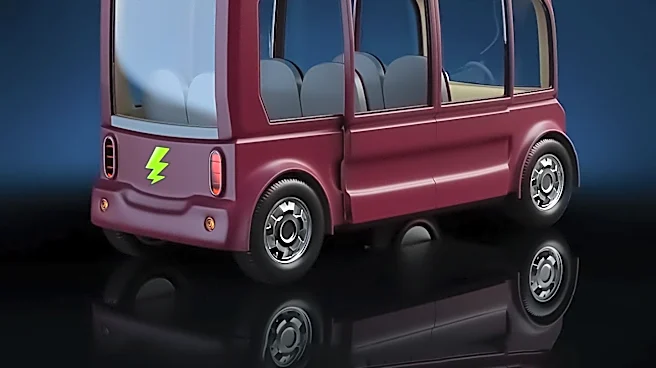
The City of Sunnyvale, California, in partnership with public transit technology provider Via Transportation, officially launched 'Sunnyvale Beam' on September 1. This new citywide, on-demand microtransit service aims to connect residents, students, and workers
to various destinations across Sunnyvale's approximately 19.2 square miles. The service is designed to address the 'first-mile/last-mile' gap, which often makes public transit difficult to access, by offering a convenient, shared, and affordable alternative to single-occupancy vehicle trips. Jennifer Garnett, a city spokesperson, stated that the service is intended to assist students with school and extracurricular activities, seniors with medical appointments, and workers in connecting with regional transit options like Caltrain and Valley Transportation Authority train stops. Riders can access the service by downloading the Sunnyvale Beam app on Apple or Android devices, or by visiting the city's dedicated website for more information, including service area maps and frequently asked questions.
Why It's Important?
The launch of Sunnyvale Beam represents a significant step in urban mobility and environmental sustainability for U.S. cities. By providing a zero-emission microtransit service, Sunnyvale is directly contributing to efforts to reduce carbon footprints and improve air quality within its municipal boundaries. This initiative also addresses critical transportation equity issues, offering accessible and affordable options for populations that may face challenges with traditional public transit or car ownership, such as students and seniors. The partnership with Via Transportation highlights a growing trend of cities leveraging private technology providers to enhance public services, potentially setting a precedent for other municipalities looking to modernize their transportation infrastructure. The service's focus on closing the 'first-mile/last-mile' gap is crucial for increasing the overall effectiveness and ridership of existing public transit networks, thereby promoting a more integrated and efficient urban transportation ecosystem.
What's Next?
Following its launch, Sunnyvale Beam will likely focus on optimizing its operations and expanding its user base within Sunnyvale. The city and Via Transportation will monitor ridership patterns, service efficiency, and user feedback to make necessary adjustments and improvements. There is potential for the service to expand its coverage area or introduce additional features based on demand and success metrics. Other U.S. cities will likely observe Sunnyvale's experience with this zero-emission microtransit model as they consider similar initiatives to address their own transportation challenges and environmental goals. The success of Sunnyvale Beam could lead to increased adoption of on-demand, zero-emission microtransit solutions across the country, influencing future urban planning and public transportation strategies.
Beyond the Headlines
The implementation of Sunnyvale Beam reflects a broader societal shift towards sustainable and flexible transportation solutions, driven by technological advancements and increasing environmental consciousness. This microtransit model challenges the traditional reliance on fixed-route public transportation and private vehicle ownership, offering a more dynamic and responsive approach to urban mobility. Ethically, it promotes inclusivity by making transportation more accessible to diverse community members, potentially reducing social isolation and enhancing economic opportunities. Culturally, it could foster a greater acceptance of shared mobility services and a reduced dependence on personal cars, contributing to a more communal and environmentally friendly urban lifestyle. The long-term success of such initiatives could reshape urban landscapes, leading to less traffic congestion, reduced parking demands, and a greater emphasis on pedestrian and cycling infrastructure, ultimately creating more livable and sustainable cities.