




What's Happening?
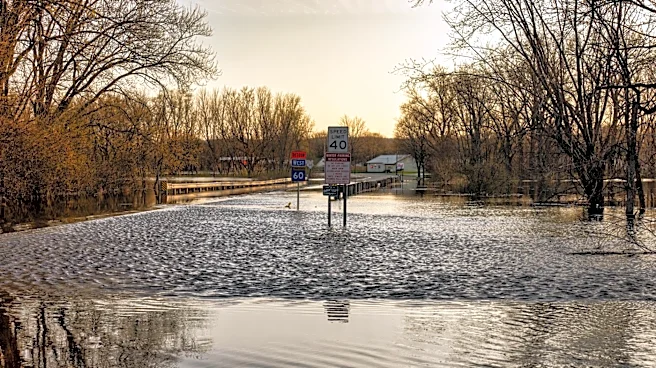
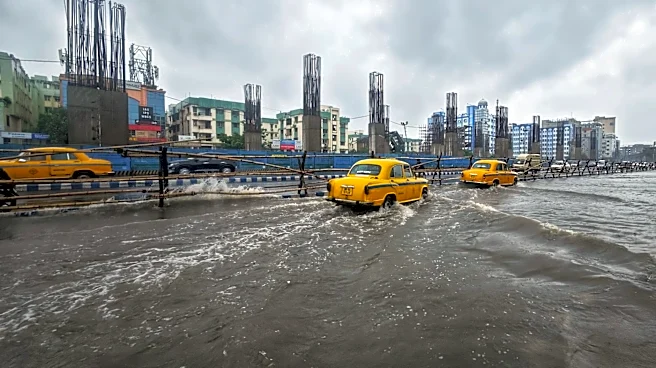
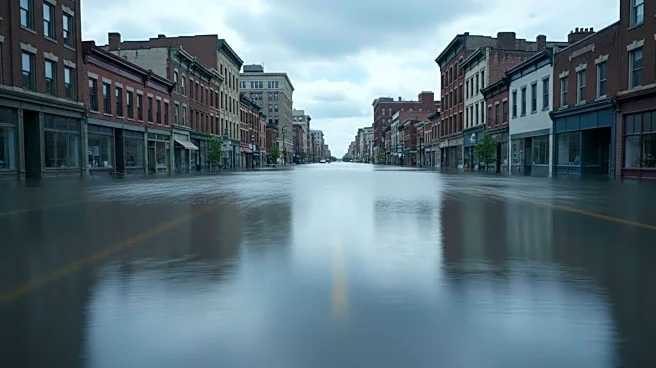
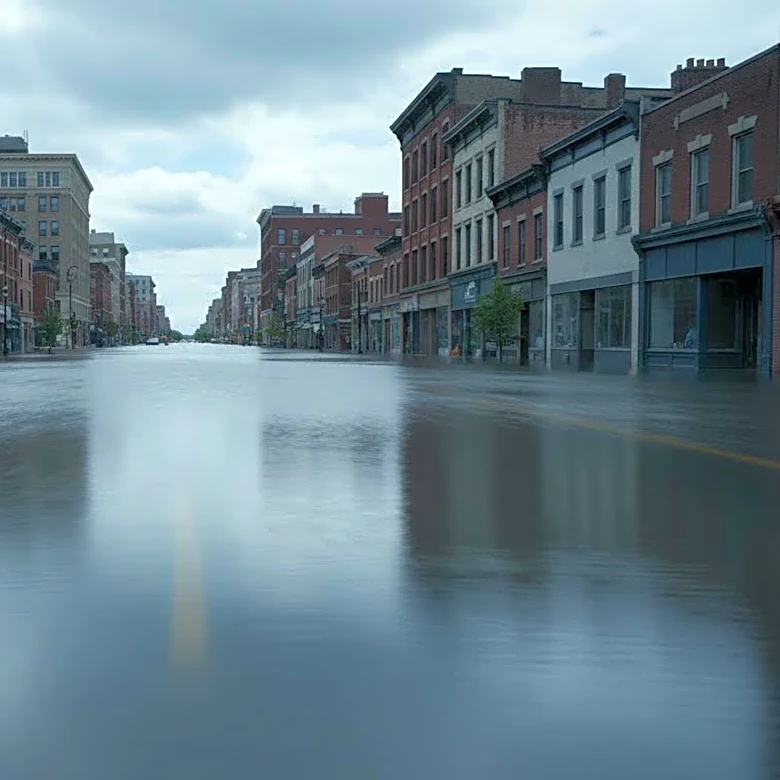
New Jersey is experiencing severe flash floods following a weekend of intense storms. Heavy rainfall has inundated the tri-state area, with Long Island and Connecticut also affected. Social media is flooded with images and videos showing submerged streets
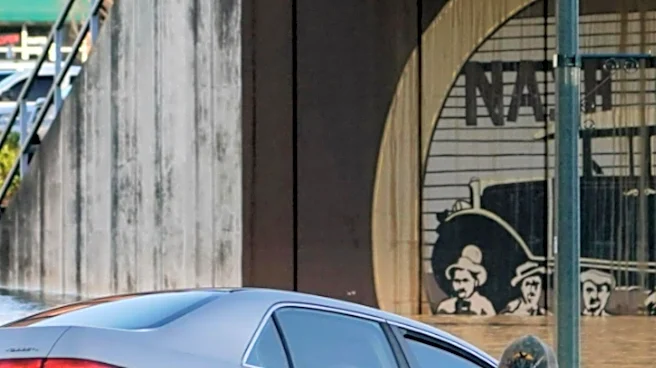
and stalled vehicles, illustrating the extent of the flooding. In some areas, parked cars are completely engulfed by water. The ongoing weather system continues to pose a threat, with more rain expected to exacerbate the situation. Emergency services are on high alert, and residents are advised to avoid flooded areas to ensure safety.
Why It's Important?
The flash floods in New Jersey underscore the increasing frequency and severity of extreme weather events, likely linked to climate change. The immediate impact includes disruptions to transportation, potential property damage, and safety risks for residents. The economic implications are significant, as businesses and local economies may suffer from the interruptions. The situation also highlights the importance of effective urban planning and infrastructure capable of handling such weather extremes. For policymakers, this event serves as a reminder of the need for comprehensive climate adaptation strategies to protect communities.
What's Next?
As the weather system continues, authorities will focus on managing the immediate crisis and mitigating further damage. Long-term, there may be calls for investment in infrastructure improvements to better handle future flooding. Residents will need to remain vigilant and follow safety advisories. The event may also prompt discussions on climate resilience and the need for sustainable urban development practices to reduce vulnerability to such natural disasters.