



What's Happening?
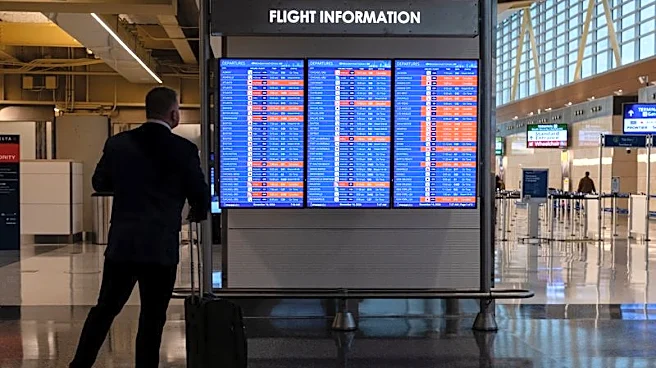
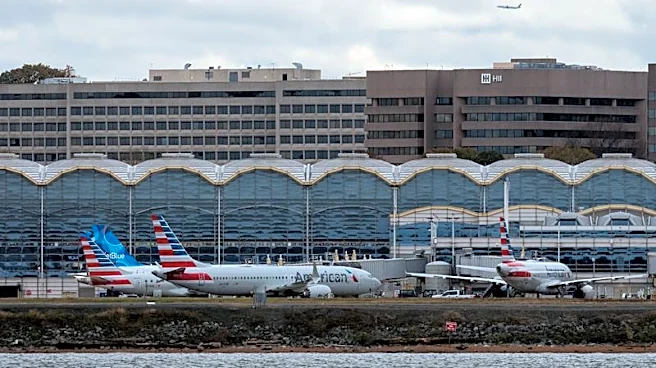
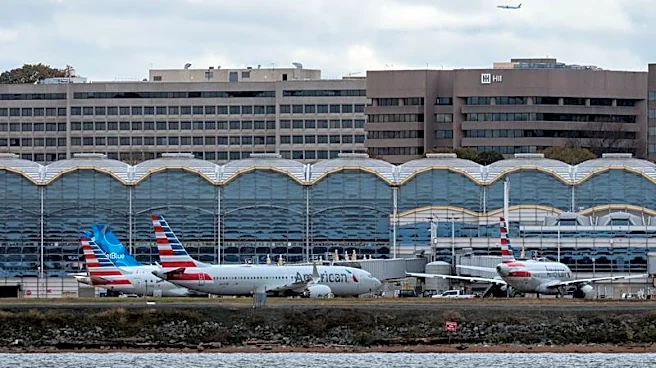
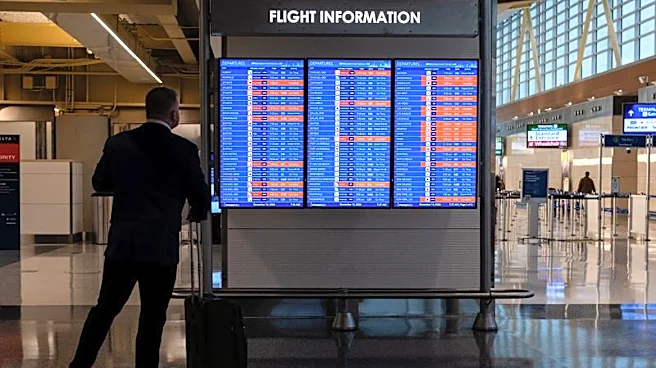
A nationwide ground stop on Friday, November 13, 2026, led to over 18,000 flight cancellations and delays across the United States over three days. The Federal Aviation Administration (FAA) is investigating routine telecommunications equipment work at a remote
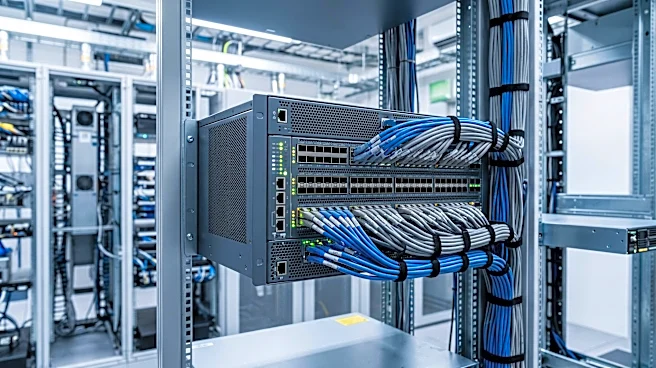
facility in Arkansas as the cause. The issue began around 3:30 p.m. Eastern time on Friday when an overload of data interfered with air traffic control systems, affecting communication with aircraft and radar tracking. Approximately 3,500 aircraft were in the air when the ground stop was issued, all landing safely. The FAA identified two locations involved in the initial investigation: a radio communications facility in El Dorado, Arkansas, where contractor L3Harris was installing a new telecommunications router, and a radar facility in Amarillo, Texas. The malfunction flooded parts of the FAA's telecommunications network with about 1,000 connection attempts every four to five seconds, destabilizing communication and radar systems at 17 of the nation's 22 air route traffic control centers. The contractor isolated the two facilities, and the system stabilized, leading to the lifting of the ground stop at 8:15 p.m. Eastern time Friday. As a precaution, the FAA disabled similar functionality on approximately 60 other routers in its network. Federal officials have found no evidence of a cyberattack, and investigations are ongoing to determine if faulty equipment or an installation error caused the failure.
Why It's Important?
This widespread disruption highlights the critical vulnerability of the nation's air traffic control system, particularly its reliance on aging infrastructure. The incident, the longest nationwide ground stop since September 11, 2001, caused significant economic impact due to thousands of canceled and delayed flights, affecting millions of travelers and airline operations. Airlines faced immense challenges in repositioning aircraft and crews, leading to a ripple effect of cancellations and delays that persisted for days. The event underscores the urgent need for modernization of the FAA's telecommunications infrastructure, which Transportation Secretary Sean Duffy described as largely from the 1980s, with some radar systems dating back to the 1960s and 1970s. The disruption occurred just as millions of Americans are preparing for Thanksgiving travel, raising concerns about the system's resilience during peak travel periods. The incident also brings into focus the debate over funding for air traffic control modernization, with Congress having approved $12.5 billion in 2025, but Secretary Duffy calling for an additional $50 billion to overhaul the system.
What's Next?
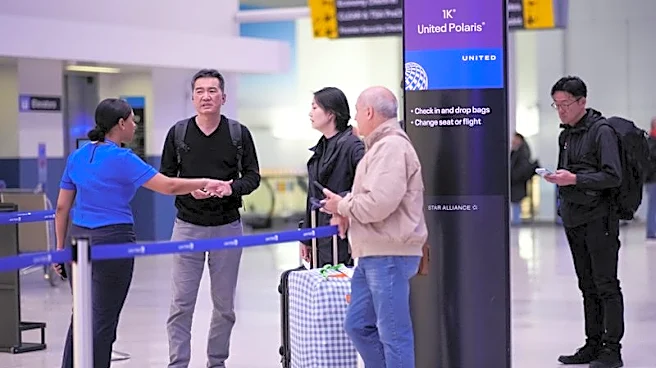
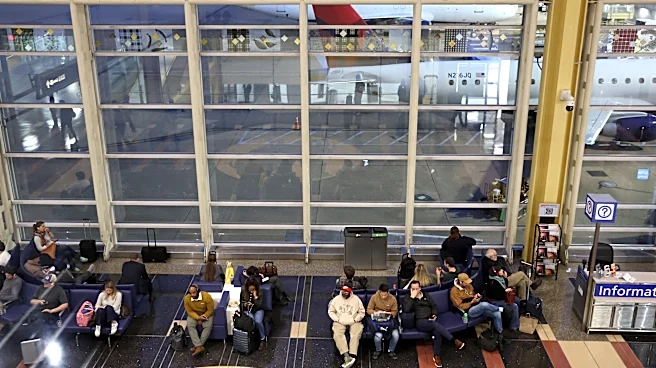
Federal officials anticipate that airlines will largely return to normal schedules by Monday, November 16. However, travelers are advised to continue checking their flight status directly with airlines before heading to airports, as residual delays and cancellations may still occur. Major airlines have issued travel waivers, allowing eligible customers to change reservations without fees, with American Airlines extending its travel alert through Wednesday, November 18. Passengers whose flights were canceled and who choose not to travel are generally entitled to a refund. For those seeking reimbursement for expenses like hotel rooms and meals, it is crucial to check airline policies and retain receipts, as federal rules typically do not mandate reimbursement for cancellations due to circumstances beyond airline control. The FAA and L3Harris will continue their investigation into the equipment failure, and the FAA plans to reevaluate its maintenance work schedules following this disruption. The incident is also expected to intensify discussions in Congress regarding increased funding for air traffic control system upgrades.
Beyond the Headlines
The incident exposes deeper issues concerning the nation's critical infrastructure and its susceptibility to single points of failure. The reliance on decades-old technology in a system as vital as air traffic control presents a significant national security and economic risk. The event could trigger a more comprehensive review of maintenance protocols for critical infrastructure, especially those involving third-party contractors, to prevent similar widespread disruptions. Furthermore, the incident highlights the complex interplay between technological obsolescence, funding priorities, and public safety. The FAA's need for substantial additional funding for modernization, despite previous congressional allocations, suggests a potential disconnect in long-term infrastructure planning and investment. This event may also prompt a re-evaluation of how the U.S. government prioritizes and funds upgrades to essential services, potentially leading to new legislative efforts aimed at accelerating infrastructure modernization across various sectors beyond aviation. The incident also raises questions about the resilience and redundancy built into critical communication networks that support national operations.