







What's Happening?
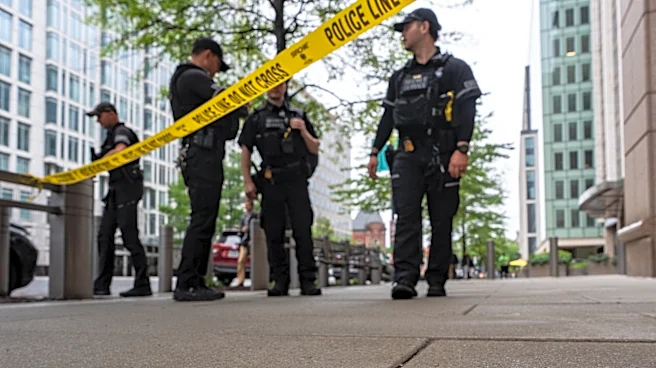
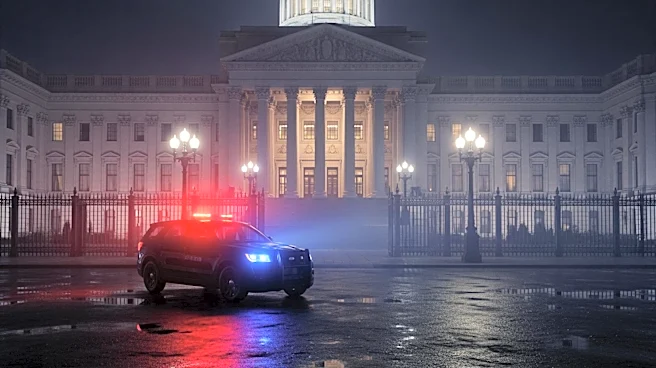
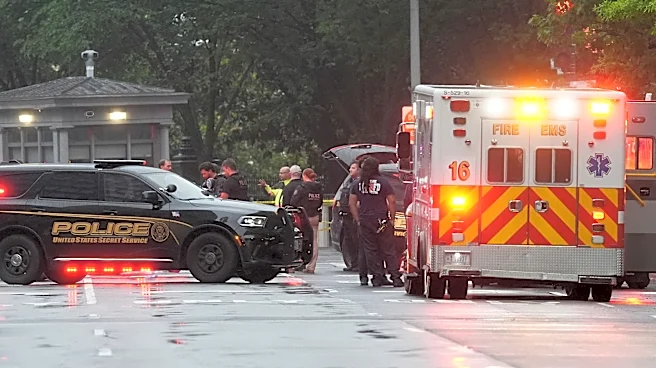
Acting Attorney General Todd Blanche has filed a request to resume construction on the White House ballroom, citing a recent shooting near the White House as evidence of the need for enhanced security. The shooting involved a gunman who was killed after
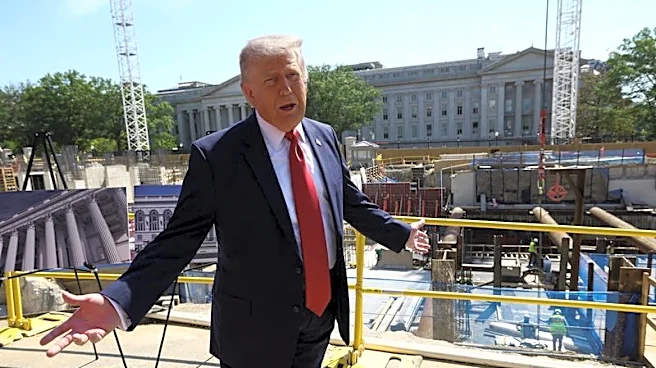
opening fire at a Secret Service checkpoint, resulting in one bystander being wounded. The construction of the 9,000-square-foot ballroom had been temporarily halted by a court order pending congressional approval. The ballroom is part of a larger security project intended to provide a secure environment for the President and other officials. The project includes advanced security features such as a drone-proof roof and missile-resistant columns. President Trump has stated that the ballroom is privately financed, with security funding included in a reconciliation bill that Congress has yet to approve.
Why It's Important?
The request to resume construction highlights ongoing security concerns at the White House, especially in light of recent violent incidents. The ballroom is intended to serve as a secure facility for presidential activities, emphasizing the administration's focus on national security. The delay in congressional approval underscores the challenges in balancing security needs with legislative oversight. The outcome of this request could set a precedent for how security projects are funded and approved, potentially impacting future infrastructure and security initiatives at federal buildings. The situation also reflects broader political dynamics, as the administration navigates the complexities of securing necessary funding amidst legislative gridlock.
What's Next?
The appellate court has allowed construction to continue until early June, when a panel of judges will review the case. The administration may need to engage with Congress to secure the necessary approvals and funding. The decision could influence future security measures and infrastructure projects at the White House and other federal sites. Stakeholders, including political leaders and security experts, will likely continue to debate the balance between security needs and legislative processes.