








What's Happening?
Consumers are being advised on essential cleaning practices for fresh fruits and vegetables to reduce the risk of foodborne illnesses and exposure to residual pesticides. Many individuals overlook the importance of washing produce, which can lead to negative
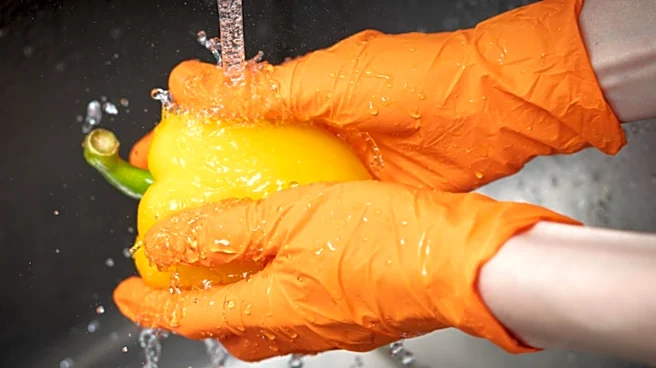
health impacts from lingering bacteria like E. coli and listeria, as well as fungi, dirt, and debris. While no washing method guarantees 100% removal of all contaminants, thorough rinsing significantly limits risks. The U.S. Food and Drug Administration recommends selecting undamaged produce and ensuring pre-cut or packaged items are refrigerated. It is also crucial to wash hands, utensils, and cutting boards before handling produce and to rinse produce before peeling to prevent cross-contamination. Specific cleaning methods vary by produce type; for instance, leafy greens benefit from soaking in cold water, firm produce can be scrubbed with a vegetable brush, and melons require thorough washing due to their rough surfaces.
Why It's Important?
The proper cleaning of fruits and vegetables is critical for public health in the U.S., directly impacting food safety and reducing the incidence of foodborne illnesses. Contaminated produce can lead to widespread outbreaks of diseases caused by bacteria such as E. coli and listeria, posing significant health risks to consumers, particularly vulnerable populations. Beyond immediate health concerns, inadequate cleaning practices can result in the ingestion of residual pesticides, which may have long-term health implications. For the agricultural and food industries, consumer confidence in produce safety is paramount. Outbreaks linked to contaminated produce can lead to substantial economic losses through recalls, reduced sales, and damage to brand reputation. Educating the public on effective cleaning techniques helps safeguard health, maintain trust in the food supply chain, and supports the overall well-being of the nation.
What's Next?
Moving forward, public health organizations and food safety advocates are expected to continue emphasizing and disseminating guidelines for proper produce handling and cleaning. Educational campaigns may be launched or reinforced through various channels, including public service announcements, online resources, and community workshops, to ensure a broader understanding of these critical practices. Consumers can anticipate more detailed instructions on how to clean different types of produce effectively, potentially including recommendations for specific tools like vegetable brushes or the use of white vinegar solutions for certain items. Retailers and food service providers may also face increased scrutiny or be encouraged to provide clearer instructions on produce care to their customers. The ongoing focus will be on empowering individuals to make informed choices and adopt habits that minimize health risks associated with fresh produce consumption.
Beyond the Headlines
The emphasis on proper produce cleaning extends beyond immediate health benefits, touching upon broader societal and environmental implications. Ethically, ensuring food safety is a fundamental responsibility of the food industry and public health bodies, reflecting a commitment to consumer well-being. Culturally, there's a growing awareness and demand for 'clean eating,' which encompasses not only the nutritional value of food but also its safety from contaminants. This trend influences consumer purchasing habits, potentially driving demand for organic produce or produce with transparent sourcing and handling practices. Environmentally, the discussion around pesticide residues highlights ongoing debates about agricultural practices and the balance between crop protection and public health. Long-term, a sustained focus on produce safety could lead to innovations in food processing and packaging, as well as more stringent regulations on pesticide use and residue limits, ultimately shaping a healthier and more sustainable food system in the U.S.