
What's Happening?
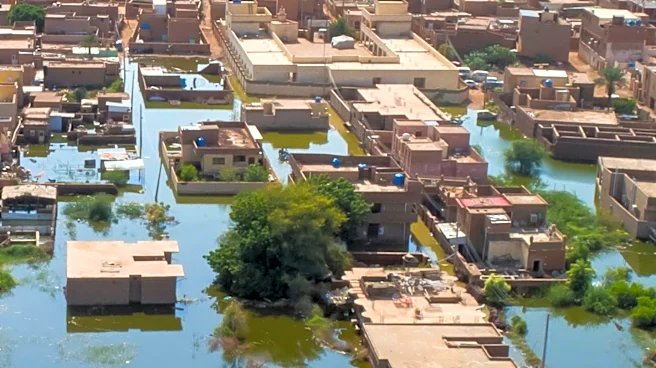
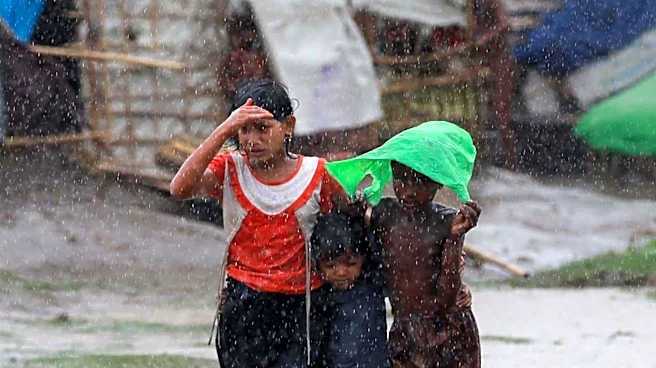
The Gaza Strip is experiencing a severe humanitarian crisis exacerbated by heavy rainfall since November 6, which has damaged over 40,000 family shelters and destroyed more than 9,000 beyond repair. According
to the United Nations Office for the Coordination of Humanitarian Affairs (OCHA), more than 46,000 households have been affected. This flooding has compounded existing difficulties for displaced Palestinians, who already face inadequate shelter, damaged infrastructure, and shortages of essential supplies. Aid worker Nada Khashan, executive director of the Palestinian Human Developmental Association (HuDA), describes the struggle of families to protect themselves from the rain, with mattresses, blankets, and clothes becoming soaked, making it difficult for children to find dry places to sleep. The situation is particularly dire in displacement sites, where residents are exposed to contamination from rainwater mixing with sewage, and access to medical services is disrupted due to flooded health facilities and difficult road conditions. Nine health facilities have been reported damaged, leading to suspended services and further strain on an already fragile healthcare system.
Why It's Important?
The ongoing damage to shelters and infrastructure in the Gaza Strip has critical implications for public health and the well-being of displaced populations. The mixing of rainwater with sewage creates significant public health risks, increasing the potential for waterborne diseases and other infections among a vulnerable population. The disruption of medical services, with damaged health facilities and limited access, means that essential care for everyday illnesses, chronic conditions, and pregnancy check-ups is severely hampered. This is further compounded by critical shortages of medicines, with approximately 42% of essential medicines at zero-stock level in October. The lack of access to safe drinking water, with 66% of households having less than the minimum six liters per person per day, further jeopardizes health. The continuous displacement and the inability to maintain basic living conditions create a cycle of hardship, making it extremely difficult for families, especially those with chronic conditions, to receive consistent treatment and support.
What's Next?
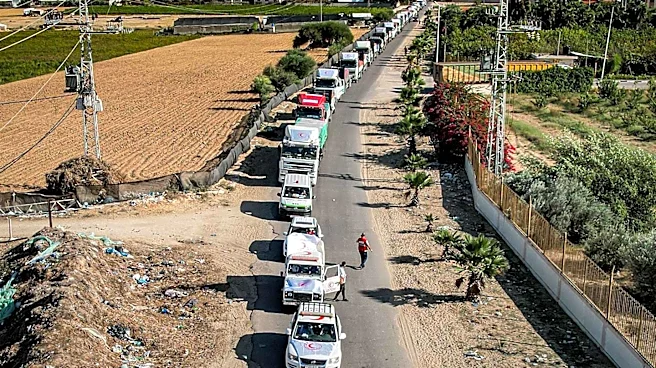
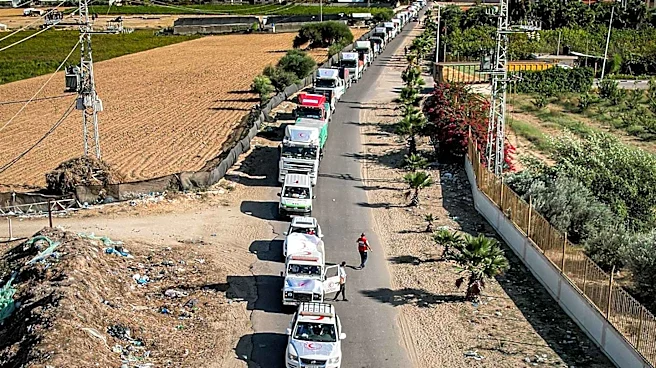
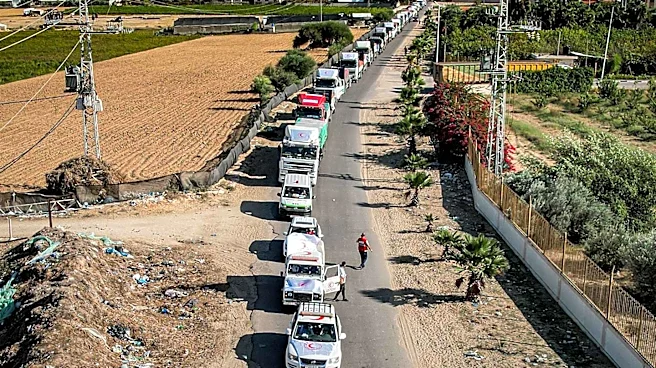
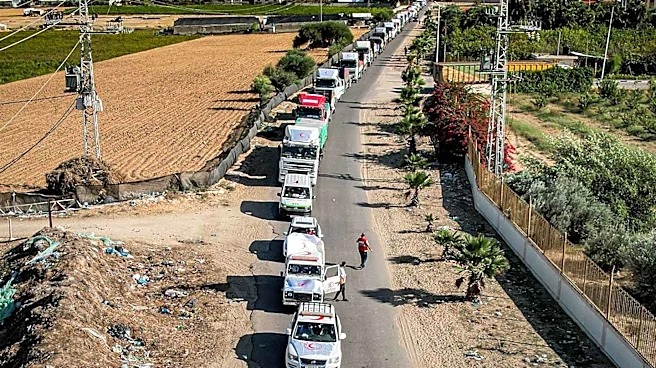
As winter approaches, the humanitarian situation in the Gaza Strip is expected to worsen, with continued rainfall posing an ongoing threat to the already damaged shelters and infrastructure. Aid organizations like HuDA will likely continue to focus on providing immediate relief, including food, basic supplies, primary healthcare, and psychological support, particularly for children. However, the effectiveness of these efforts will remain challenged by power cuts, medicine shortages, and the continuous displacement of families. There is an urgent need for increased international aid and resources to address the immediate shelter crisis, improve sanitation, and restore access to essential healthcare services. Without significant intervention, displaced families will continue to face severe health risks, inadequate living conditions, and the psychological toll of prolonged displacement and hardship. The ability to dry bedding and find safe, dry places to sleep will remain a daily struggle for many.
Beyond the Headlines
The crisis in Gaza extends beyond immediate physical damage and health risks, highlighting profound ethical and human rights concerns. The repeated displacement and the inability to secure basic necessities like dry shelter and medical care underscore a systemic failure to protect civilian populations in conflict zones. The psychological impact on children, who are forced to live in precarious conditions and witness ongoing hardship, is likely to have long-term consequences for their development and well-being. The destruction of infrastructure, including health facilities, points to a broader breakdown of essential services, making recovery and rebuilding efforts incredibly challenging. This situation also raises questions about the effectiveness of humanitarian aid delivery in complex environments and the need for more resilient and sustainable solutions for displaced populations. The compounding nature of these difficulties, where one problem immediately leads to another, creates a cycle of despair that requires a comprehensive and sustained international response.