








What's Happening?
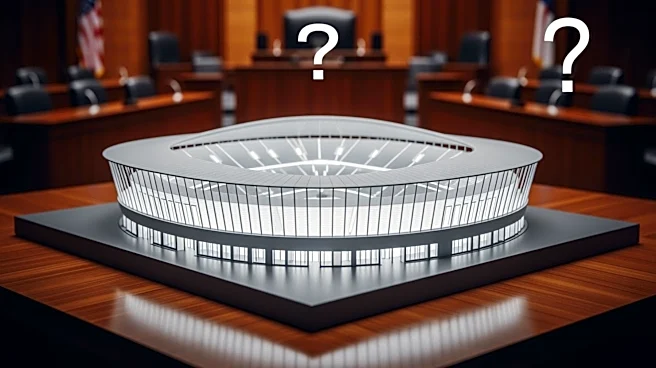
The Illinois House has passed a significant economic development bill that could facilitate the construction of a new domed stadium for the Chicago Bears in Arlington Heights. The bill, which passed with a 78-32 vote, includes provisions that allow the Bears to negotiate
payments with local taxing bodies instead of paying property taxes. This legislative move is seen as a strategy to keep the Bears from relocating to Indiana, where lawmakers have offered over $1 billion in public subsidies to attract the team. The bill's passage follows extensive closed-door meetings and is part of a broader effort to retain the NFL franchise in Illinois. The Bears have expressed a need for further amendments to the bill, which will be considered by the Senate in the coming weeks.
Why It's Important?
The approval of this bill is crucial for Illinois as it seeks to retain the Chicago Bears, a major sports franchise with significant economic and cultural impact. The potential relocation of the Bears to Indiana could result in substantial economic losses for Illinois, including job losses and decreased tourism revenue. The bill's provisions aim to create a favorable environment for large-scale developments, which could stimulate economic growth and infrastructure development in the state. However, the bill has faced criticism for potentially creating a two-tier tax system that favors large businesses over smaller entities. The outcome of this legislative effort could set a precedent for how states negotiate with major sports franchises and manage economic development projects.
What's Next?
The Illinois Senate is expected to review and possibly amend the bill when it reconvenes. The Bears have indicated that additional changes are necessary to make the Arlington Heights site viable for their stadium project. The outcome of these negotiations will be closely watched by stakeholders, including local governments and the NFL, which is set to discuss the Bears' stadium situation in an upcoming meeting. The bill's progress will also be influenced by the Illinois Governor's office and other state lawmakers, who have expressed the need for further refinement of the legislation.