





What's Happening?
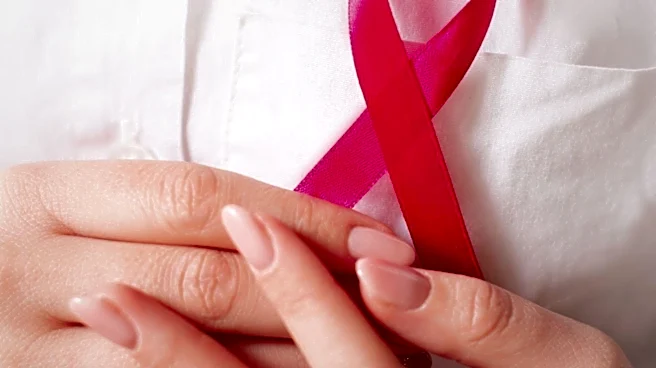
Mercy Health Foundation Mahoning Valley is actively working to enhance health and well-being in the Mahoning Valley by connecting local giving with local care. The foundation raises funds to support various Mercy Health initiatives, including breast cancer
services, diagnostic equipment, prescription assistance, and community health programs. Paul Homick, president of the foundation, emphasizes that every dollar raised remains within the Mahoning Valley to ensure residents receive care regardless of their ability to pay. This support helps address barriers that might prevent individuals from accessing necessary medical services. A notable development is the introduction of the endoscopic nipple-sparing mastectomy at the Joanie Abdu Comprehensive Breast Care Center by Dr. Nicole Reyes, a breast surgical oncologist. This procedure, which uses minimally invasive techniques to preserve the breast's skin and nipple, is relatively new to the United States and expands treatment options for patients in the region, allowing them to receive advanced care close to home.
Why It's Important?
The efforts of Mercy Health Foundation Mahoning Valley are crucial for improving healthcare accessibility and outcomes in the region. By ensuring that donations directly benefit local residents, the foundation helps bridge gaps in healthcare services, particularly for those facing financial constraints or other barriers to care. The introduction of advanced surgical procedures like the endoscopic nipple-sparing mastectomy at the Joanie Abdu Comprehensive Breast Care Center signifies a significant advancement in local medical capabilities. This means patients no longer need to travel to larger medical centers for specialized treatments, reducing the burden of stress and travel during an already challenging time. The foundation's comprehensive approach, which extends beyond breast cancer care to include prescription assistance, transportation, and community health programs, addresses a wide range of health determinants, fostering a healthier community overall. This model of localized philanthropy directly impacts the well-being of individuals and strengthens the regional healthcare infrastructure.
What's Next?
Mercy Health Foundation Mahoning Valley will continue its fundraising efforts to sustain and expand its various programs. The foundation aims to further support initiatives like the Joanie Abdu Comprehensive Breast Care Center, ensuring continued access to advanced treatments and diagnostic equipment, such as 3D mammography. Future plans include maintaining and growing the Joanie’s Promise Fund, which guarantees access to care regardless of a patient's ability to pay. The foundation will also likely continue its partnerships with community organizations, such as the Youngstown Neighborhood Development Corp. for food insecurity initiatives and various groups for the Respite of Hope program, which provides recovery housing. Ongoing community engagement and donor support will be critical for the foundation to meet the evolving healthcare needs of the Mahoning Valley, ensuring that essential services remain available and accessible to all residents.
Beyond the Headlines
The work of Mercy Health Foundation Mahoning Valley highlights the critical role of local philanthropy in bolstering healthcare systems, especially in economically challenged regions. Beyond the immediate medical benefits, the foundation's initiatives foster a stronger sense of community by connecting donors with local needs, embodying the principle of 'neighbor taking care of neighbor.' The introduction of cutting-edge procedures like the endoscopic nipple-sparing mastectomy also underscores a broader trend in healthcare: the decentralization of advanced medical care. By bringing such innovations to regional centers, it democratizes access to specialized treatments, reducing disparities in healthcare quality between urban and rural areas. This approach not only improves physical health but also supports the emotional and psychological well-being of patients by allowing them to remain close to their support systems during treatment, which is a significant, often overlooked, aspect of recovery.