





What's Happening?
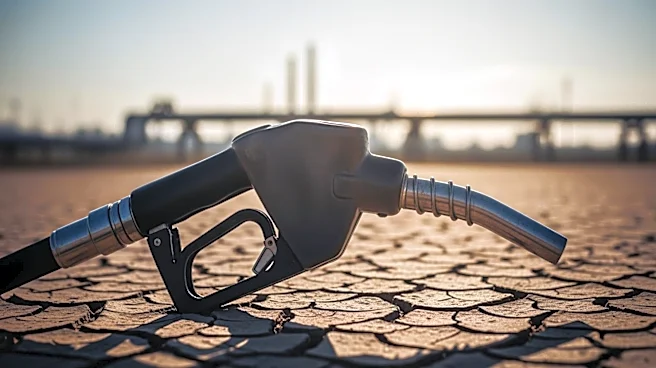
In response to the ongoing war in Iran and the resulting global energy crisis, several countries have implemented cuts to fuel taxes. This measure aims to alleviate the financial burden on consumers facing rising fuel costs. The conflict, which began
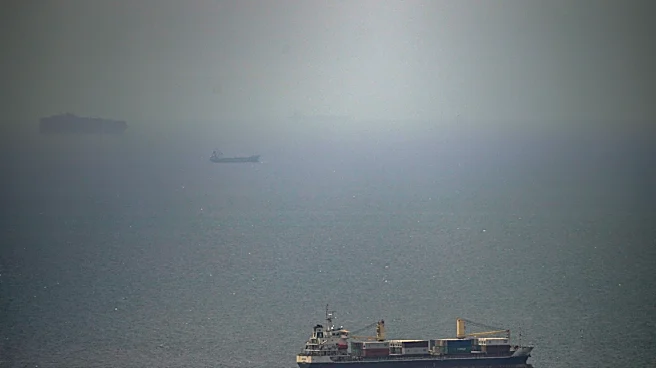
with U.S. and Israeli strikes, has led to the closure of the Strait of Hormuz, a critical oil transit route. This has caused a significant increase in oil prices, prompting countries worldwide to reduce fuel taxes to support their economies and citizens.
Why It's Important?
The reduction in fuel taxes is a direct response to the economic pressures caused by the Iran conflict. The closure of the Strait of Hormuz has disrupted global oil supply, leading to increased prices and economic instability. By cutting fuel taxes, countries aim to mitigate the impact on consumers and prevent further economic downturns. This situation highlights the vulnerability of global energy markets to geopolitical events and the need for strategic responses to maintain economic stability.
What's Next?
Negotiations between the U.S. and Iran remain stalled, with no immediate resolution in sight. The ongoing conflict continues to pose risks to global energy markets and economic stability. Countries may need to explore additional measures to address the energy shortfall and support their economies. The situation underscores the importance of diplomatic efforts to resolve the conflict and stabilize global oil markets.