






What's Happening?
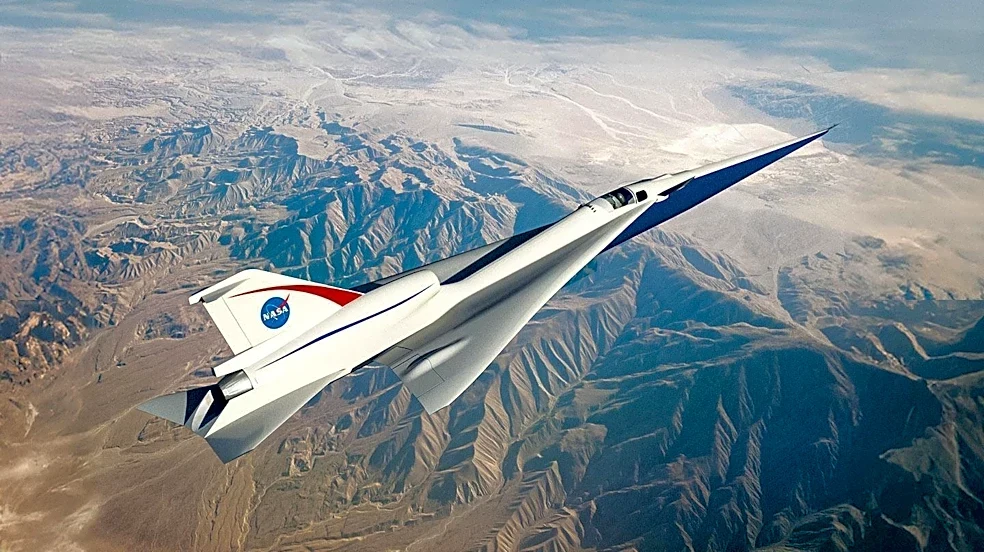
NASA has awarded funding to Virginia Tech for a project aimed at improving the design process for small aircraft, particularly those that may be electrically powered. The initiative seeks to make aircraft manufacturers more efficient in their design phases
and to integrate safety precautions early in the development of new technologies. The project focuses on small airplanes designed for short-distance travel, such as those that could transport people between regional airports. Darshan Sarojini, an assistant professor of aerospace engineering at Virginia Tech, explained that the goal is to prevent costly redesigns by identifying and addressing potential problems long before aircraft undergo the rigorous certification process required by the Federal Aviation Administration. Additionally, the research will explore methods to reduce noise pollution from these aircraft, a critical consideration for their potential use in urban environments.
Why It's Important?
This NASA-funded project is significant for several reasons. It addresses the growing demand for more efficient and potentially more affordable air travel options, especially as fuel prices remain high. By streamlining the design process and embedding safety measures from the outset, the project aims to accelerate the development and deployment of innovative small aircraft, including electric models. This could lead to lower ticket prices and increased accessibility for short-distance air travel. Furthermore, by focusing on noise reduction, the project tackles a major environmental concern associated with increased air traffic, particularly in urban areas. This proactive approach to design and safety will help ensure that future air transportation solutions are not only technologically advanced but also environmentally conscious and safe for public use, fostering public acceptance and regulatory approval.
What's Next?
The project at Virginia Tech will involve dozens of undergraduate and graduate engineering students who will receive funding to conduct research and design aircraft. This initiative also includes K-12 students through summer camps at Virginia Tech’s Blacksburg campus, aiming to develop a skilled aeronautics workforce for the future. As the research progresses, the findings are expected to provide valuable insights and tools for aircraft manufacturers, helping them to design safer, more efficient, and quieter small aircraft. The ultimate goal is to create a more robust and streamlined pathway for new aircraft technologies to move from concept to certification, potentially paving the way for widespread adoption of electric and small-scale air transportation solutions in the coming years. Continued collaboration between NASA, academia, and industry will be crucial for translating these research outcomes into practical applications.
Beyond the Headlines
Beyond the immediate goals of improving aircraft design and safety, this project highlights a broader strategic effort by NASA to foster innovation in the aerospace sector and cultivate the next generation of engineering talent. By investing in academic research and educational programs, NASA is not only addressing current technological challenges but also building the human capital necessary for future advancements in aeronautics. The focus on small, potentially electric aircraft also signals a shift towards more sustainable and localized air mobility solutions, which could transform regional transportation networks. This initiative reflects a forward-thinking approach to urban planning and environmental stewardship, anticipating the challenges and opportunities presented by new forms of air travel. The integration of safety and noise considerations from the earliest design stages sets a precedent for responsible technological development in the aerospace industry.