




What's Happening?
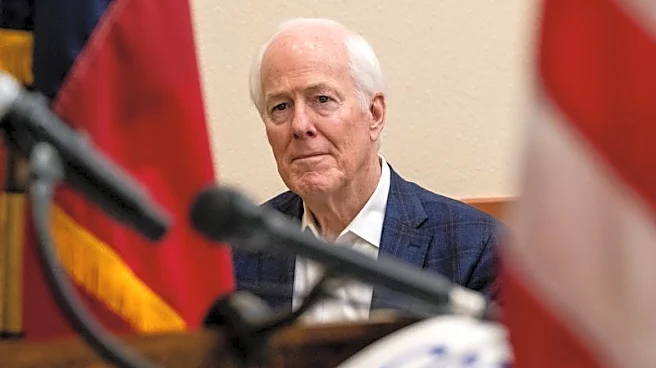
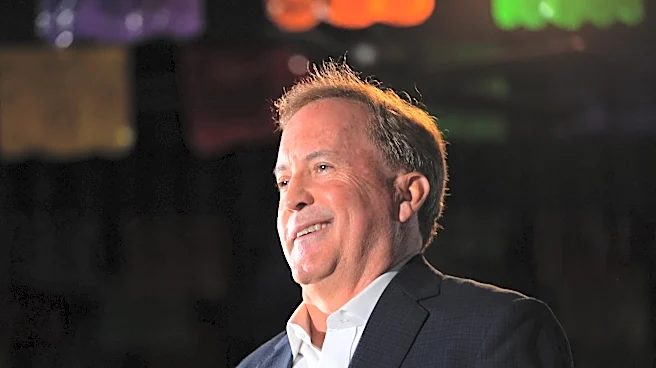
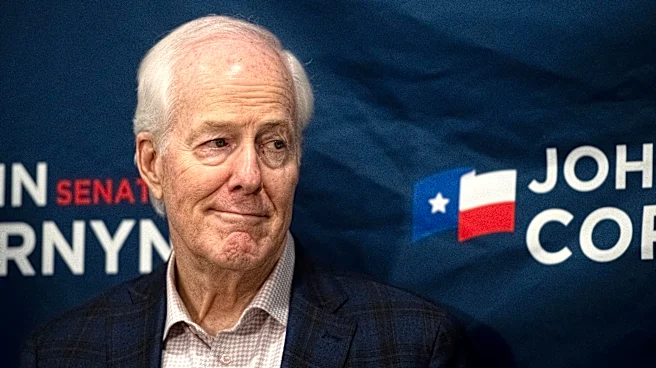
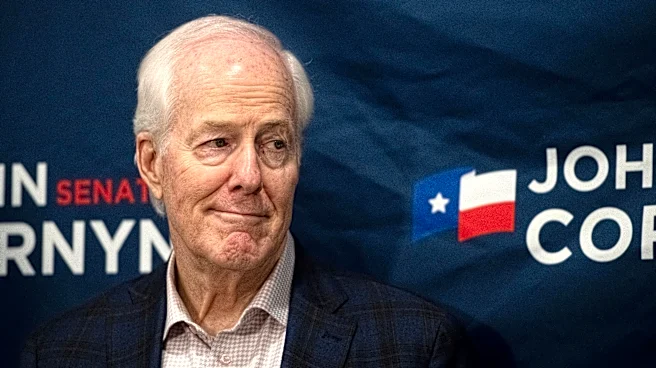
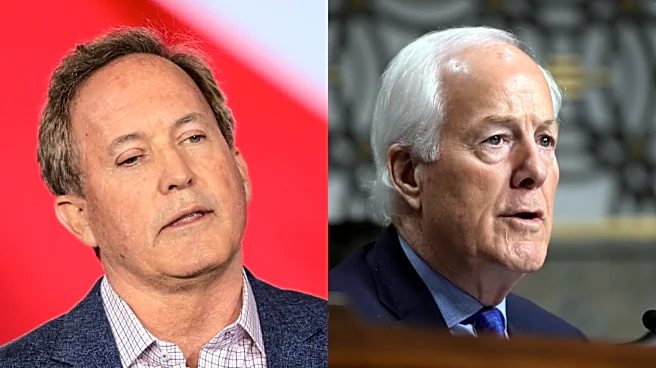
In the Texas Senate runoff between incumbent John Cornyn and Attorney General Ken Paxton, anti-Muslim rhetoric has become a central theme in campaign ads and legal disputes. Both candidates have accused each other of being too lenient on Islamic issues,
with Paxton's campaign alleging Cornyn supports 'Muslim mass immigration' and has a 'special place in his heart for radical Islam.' Cornyn has countered by highlighting his efforts against 'radical Islamic extremism' and his legislative attempts to curb the influence of Sharia law in the U.S. This rhetoric has alarmed Texas Muslims, who feel targeted by these political strategies. The campaigns have also involved legal challenges against a real estate development by the East Plano Islamic Center, with Cornyn and Paxton raising concerns about potential Sharia law influences, despite the Department of Justice closing its investigation without action.
Why It's Important?
The use of anti-Muslim rhetoric in the Texas Senate runoff reflects broader political strategies that exploit religious and cultural fears to mobilize voter bases. This approach not only risks alienating Muslim communities but also contributes to a climate of fear and division. The rhetoric aligns with national trends where Islamophobia has been used as a political tool, particularly within the Republican party, which has historically aligned itself with policies perceived as anti-Islamic. The implications extend beyond the election, potentially increasing hate crimes and societal divisions. The focus on Islam in Texas politics, despite Muslims comprising less than two percent of the state's population, underscores the influence of national political narratives and the enduring impact of President Trump's policies, such as the 'Muslim ban.'
What's Next?
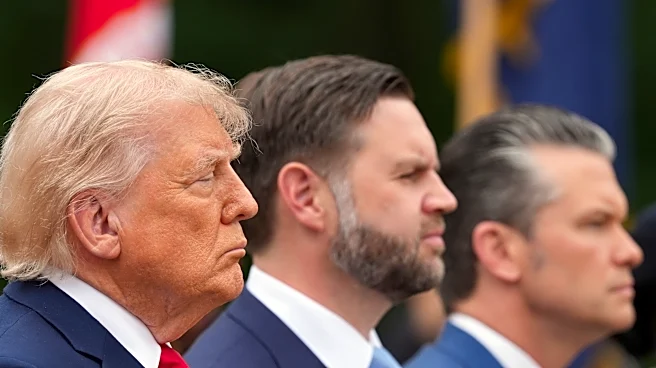
As the runoff election approaches, the outcome will likely hinge on which candidate can more effectively galvanize the Republican base, particularly those aligned with President Trump's 'MAGA' movement. Trump's endorsement of Paxton could sway the election in his favor, given the former president's significant influence among conservative voters. Regardless of the election's outcome, the heightened focus on anti-Muslim rhetoric may persist in Texas politics, potentially influencing future elections and policy decisions. The Muslim community and civil rights organizations may continue to challenge these narratives, advocating for more inclusive and equitable political discourse.
Beyond the Headlines
The persistent use of anti-Muslim rhetoric in political campaigns raises ethical concerns about the manipulation of religious and cultural identities for electoral gain. It highlights the need for political accountability and the importance of fostering a political environment that respects diversity and promotes unity. The situation also reflects broader societal challenges, such as the rise of nationalism and the politicization of religious identities, which can have long-term implications for social cohesion and civil rights. The response from civil society, including advocacy and legal challenges, will be crucial in addressing these issues and promoting a more inclusive political landscape.