






What's Happening?
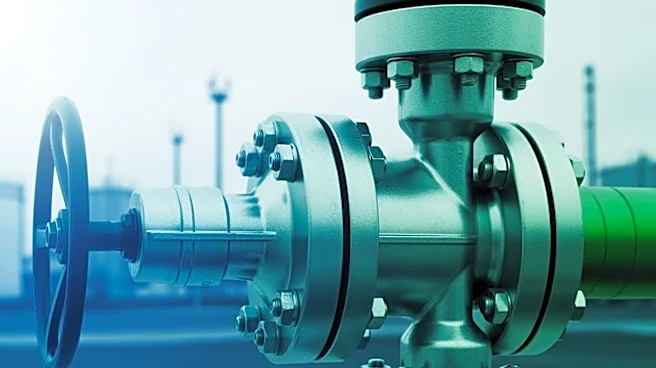
Jordan is exploring the possibility of importing liquefied natural gas (LNG) and oil from Algeria to reduce its $4 billion annual energy bill. This move comes in response to recent disruptions in Israeli gas deliveries, which highlighted Jordan's heavy
reliance on imports for electricity generation. The discussions between Jordan's Energy and Mineral Resources Minister Saleh Al-Kharabsheh and Algeria's oil minister, Mohammed Arkab, aim to diversify Jordan's energy sources and enhance energy security. The talks also include potential cooperation in liquefied petroleum gas (LPG) and LNG exports.
Why It's Important?
Jordan's efforts to diversify its energy sources are crucial for enhancing energy security and reducing economic vulnerability. By seeking alternative suppliers like Algeria, Jordan aims to stabilize its power system and mitigate the impact of regional volatility on its energy supply. This strategy also aligns with Jordan's broader goals of transitioning to cleaner energy sources and increasing reliance on domestically produced gas. The outcome of these discussions could have significant implications for Jordan's energy policy and economic stability.
What's Next?
If successful, the negotiations with Algeria could lead to new energy agreements that diversify Jordan's supply sources and reduce its dependence on Israeli gas. This would enhance Jordan's energy security and support its transition to a more sustainable energy system. Additionally, Jordan may continue to explore other potential suppliers and invest in renewable energy projects to further strengthen its energy resilience. The evolving energy landscape in the region will likely influence Jordan's future energy strategies and partnerships.