




What's Happening?
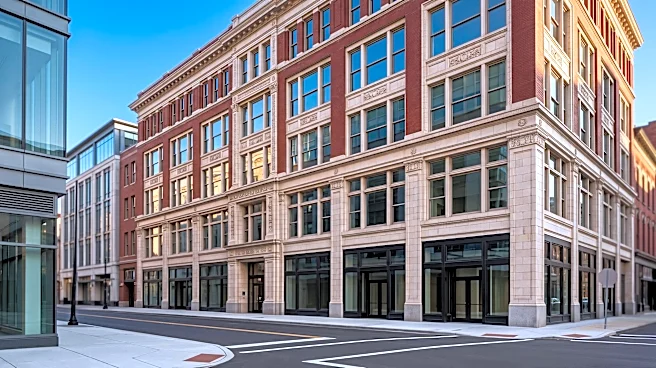
Chicago has successfully completed its first office-to-residential conversion project in the Loop, transforming a 14-story building into 'The Bellwether,' which now offers 117 mixed-income residential units. This initiative is part of the city's broader
'LaSalle Street Reimagined' program, which aims to convert vacant downtown office spaces into residential housing. The city anticipates five additional conversions under this program, projected to create a total of 1,765 mixed-income units. Beyond these city-backed projects, nearly two dozen private office conversion developments are also underway, expected to contribute close to 4,000 residential units to the city's housing supply. This trend extends beyond Chicago, with similar conversions occurring in other U.S. cities. For instance, a 1970s office park in the Bay Area is slated for demolition to make way for hundreds of new homes, and another 1970s office space on Campus Drive is being converted into 290 residential units, some of which are already complete. Columbus, Ohio, through Connect Housing Blocks, is also focusing on office-to-residential conversions to address housing shortages and revitalize its urban core.
Why It's Important?
The widespread conversion of vacant office buildings into residential units is a significant development for urban centers across the U.S., addressing multiple pressing issues. Economically, it helps mitigate the financial strain on commercial real estate markets caused by increased office vacancies, a trend exacerbated by remote work. By repurposing these structures, cities can prevent blight and stabilize property values in downtown areas. Socially, these conversions contribute to alleviating housing shortages, particularly for mixed-income residents, making urban living more accessible and diverse. This approach also promotes urban revitalization by bringing more residents into central business districts, which can stimulate local economies through increased demand for retail, dining, and services. Environmentally, adaptive reuse of existing buildings is more sustainable than new construction, reducing waste and the carbon footprint associated with demolition and new material production. The success of these projects could set a precedent for other cities grappling with similar challenges, fostering a new model for urban development that prioritizes sustainability, affordability, and vibrant city life.
What's Next?
The ongoing success of office-to-residential conversions is likely to encourage more cities to adopt similar strategies, potentially leading to increased public-private partnerships and innovative financing models to support these projects. As more units come online, there will be a need for continued monitoring of their impact on local housing markets, infrastructure, and community services. Cities may also explore further incentives, such as tax abatements or streamlined permitting processes, to accelerate these conversions and attract more developers. The integration of mixed-income housing will be crucial to ensure these developments contribute to equitable urban growth. Additionally, the trend could influence future urban planning, with a greater emphasis on flexible building designs that can adapt to changing economic and social needs. The long-term success will depend on how well these new residential communities integrate with existing urban fabric and whether they can sustain a vibrant, diverse population.
Beyond the Headlines
Beyond the immediate economic and housing benefits, the shift from office to residential spaces in downtown areas signifies a fundamental re-evaluation of urban identity and function. It challenges the traditional monoculture of central business districts, envisioning them as dynamic, mixed-use neighborhoods where people live, work, and socialize. This transformation could lead to a more resilient urban ecosystem, less vulnerable to economic shocks that disproportionately affect single-use zones. It also raises questions about the future of urban infrastructure, public transportation, and green spaces, as cities adapt to a larger residential population in areas previously dominated by daytime commuters. The ethical implications include ensuring that these new developments do not inadvertently displace existing communities or exacerbate gentrification, emphasizing the importance of mixed-income mandates. Culturally, it could foster a renewed sense of community and local identity in downtown areas, moving away from transient commercial hubs towards permanent, vibrant residential centers.