



What's Happening?
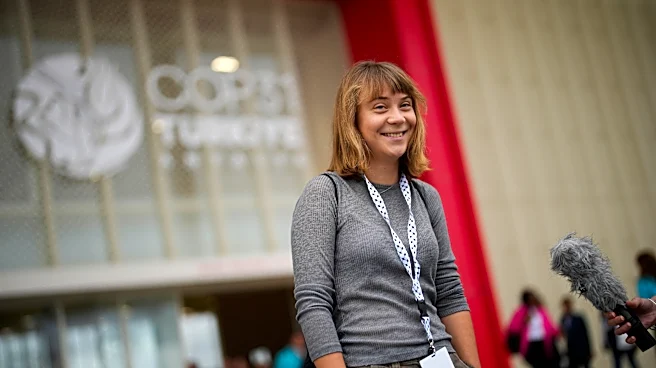
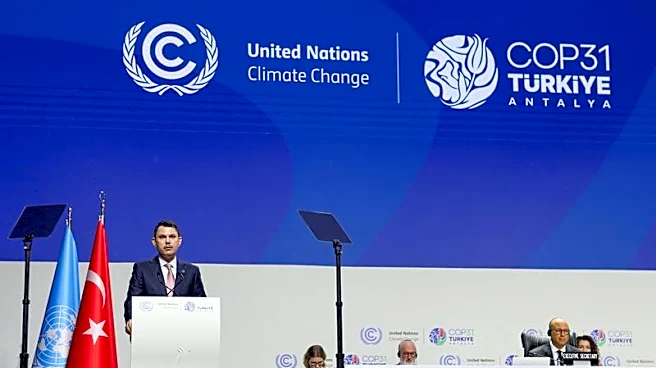
The 31st Conference of the Parties (COP31) to the United Nations Framework Convention on Climate Change (UNFCCC) in Antalya, Turkey, adopted a contentious agenda on November 9, which included a standalone Climate Finance Work Programme (CFWP). This program
was a key demand of developing countries, including India, providing a dedicated space to discuss the implementation of Article 9.1 of the Paris Agreement, which mandates developed countries to provide financial resources for climate action in developing nations. However, proposals for separate agenda items on tripling adaptation finance and climate-related trade measures were dropped. The European Union (EU) expressed concerns about the CFWP being a standalone item, arguing that the COP30 decision had not established it as such. Developing countries, in contrast, emphasized the need for predictable, accessible funding, primarily through public finance and concessional support, rather than loans that could exacerbate their debt burdens.
Why It's Important?
The adoption of the CFWP is a significant development for developing countries, as it creates a dedicated platform to scrutinize the quantity, quality, predictability, and accessibility of climate finance. This is particularly critical given that developing countries face annual adaptation needs of $305 billion by 2035, while international public adaptation finance stood at a mere $28.2-31.7 billion in 2024. The ongoing disagreements between developed and developing nations over climate finance obligations highlight the persistent challenges in achieving global climate goals. The exclusion of separate discussions on tripling adaptation finance and climate-related trade measures indicates a continued struggle to prioritize and adequately fund adaptation efforts, which are vital for vulnerable communities. The debate over whether funding should come as grants or loans also has profound implications for the economic stability and development trajectories of recipient countries.
What's Next?
The CFWP will now proceed as a two-year work program, as established by the Global Mutirão decision at COP30. This program will allow developing countries to examine how climate finance is being mobilized and ensure that pledges translate into tangible change. The New Collective Quantified Goal (NCQG), agreed at COP29 in Baku in 2024, calls for developed countries to mobilize at least $300 billion annually for developing countries by 2035, with all actors scaling up climate finance to at least $1.3 trillion annually by the same year. The ongoing discussions within the CFWP will likely focus on holding developed countries accountable for these commitments and ensuring that the financing mechanisms are equitable and effective. The tensions observed at COP31 suggest that future negotiations will continue to grapple with the distribution of financial responsibilities and the modalities of climate finance.
Beyond the Headlines
The persistent friction over climate finance at COP31 underscores a deeper geopolitical divide regarding historical responsibility for climate change and the burden of its mitigation and adaptation. Developing countries view climate finance not merely as aid, but as an obligation from developed nations, given their disproportionate contribution to historical emissions. The preference for grants over loans reflects a concern about debt sustainability, which could further entrench economic disparities. The exclusion of specific agenda items on adaptation finance and trade measures could signal a reluctance by some developed nations to commit to more ambitious targets or to address the systemic issues that hinder effective climate action. This ongoing struggle over financial mechanisms and responsibilities will likely influence international relations and global economic policies for years to come, shaping the pace and equity of the global transition to a low-carbon economy.