






What's Happening?
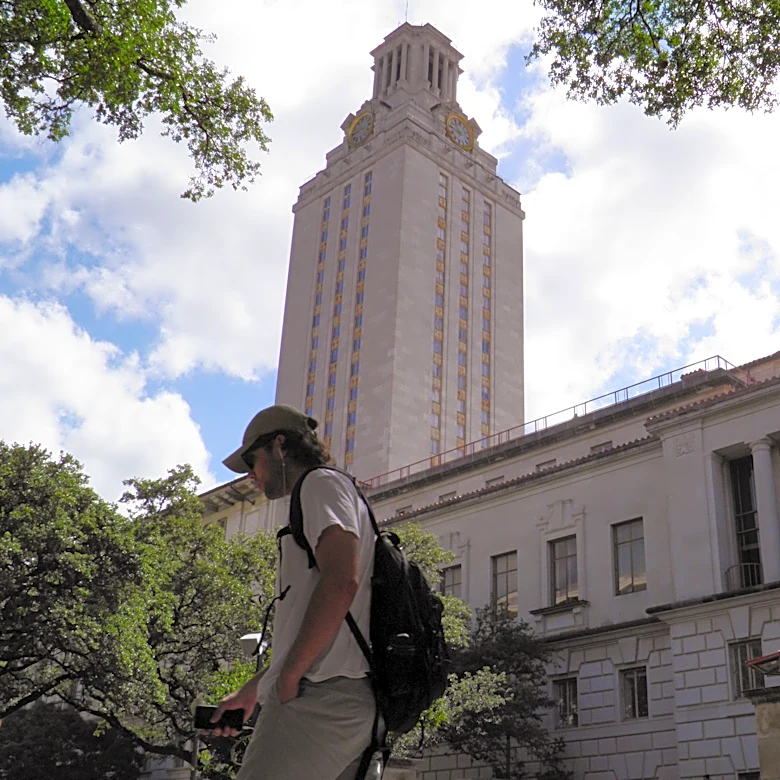
The University of North Carolina's College of Arts and Sciences is reflecting on over two centuries of impact as the nation approaches its 250th birthday. The college, established through the efforts of North Carolina's founding father William Richardson
Davie in 1789, has consistently championed the arts and sciences, echoing President George Washington's belief that they are the 'surest basis of public happiness.' From its early curriculum featuring mathematics, physics, and classical languages, to the merger of academic units in 1935 to form the College of Arts and Sciences, UNC has maintained a strong commitment to a broad-based education. Today, the College is the university's oldest and largest academic unit, contributing significantly to research funding and undergraduate instruction. It aims to produce over 50,000 'work-ready, world-ready' graduates in the coming decade, emphasizing critical thinking and clear communication.
Why It's Important?
The enduring commitment of the University of North Carolina to the arts and sciences highlights the foundational role of a liberal arts education in American society and its continued relevance in preparing individuals for diverse careers. This approach, rooted in the vision of the nation's founders, emphasizes not just specialized knowledge but also critical thinking, communication skills, and a broad understanding of the world. In an increasingly complex global landscape, the ability to analyze problems, adapt to new information, and articulate ideas effectively is highly valued by employers across various sectors. The College's success in securing significant research funding and its large student body underscore its ongoing impact on both academic advancement and workforce development. This model suggests that a comprehensive education, rather than a narrow vocational focus, is crucial for fostering innovation, civic engagement, and personal growth, benefiting both individuals and the broader economy.
What's Next?
The University of North Carolina's College of Arts and Sciences will continue its mission to produce graduates equipped with critical thinking and communication skills, aiming for 50,000 such individuals in the next decade. This ongoing commitment suggests a sustained focus on interdisciplinary learning and a curriculum that prepares students for a dynamic future. The College's role in securing substantial research funding indicates a continued emphasis on academic discovery and innovation. As the institution looks towards the nation's 250th birthday, it will likely explore new ways to serve North Carolina and the wider world, potentially through expanded research initiatives, community engagement programs, and evolving educational offerings that adapt to contemporary challenges while upholding its core values. The emphasis on producing 'work-ready, world-ready' graduates implies a continuous effort to align educational outcomes with the needs of the modern workforce and global society.
Beyond the Headlines
The narrative of UNC's College of Arts and Sciences underscores a deeper philosophical debate about the purpose of higher education. In an era often dominated by discussions of STEM fields and immediate job readiness, the College's sustained emphasis on the arts and sciences champions the idea that education is not solely about vocational training but also about cultivating well-rounded citizens capable of contributing to a civil society. The anecdotes of alumni finding success in finance and other fields, attributing it to their liberal arts background, challenge the notion that such an education is impractical. Instead, it suggests that skills like critical thinking, ethical reasoning, and cultural understanding are increasingly valuable, fostering adaptability and leadership qualities. This perspective implies that investing in a broad education can lead to more resilient individuals and a more robust society, capable of addressing complex challenges that transcend specific technical skills.