




What's Happening?
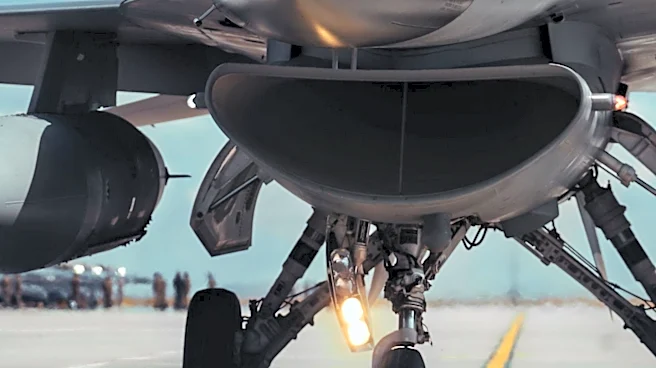
On September 11, 2001, then-First Lieutenant Heather Penney, an F-16 fighter pilot for the D.C. Air National Guard, was prepared to undertake a suicide mission to prevent United 93 from striking targets in Washington D.C. After the Pentagon was hit, Penney and
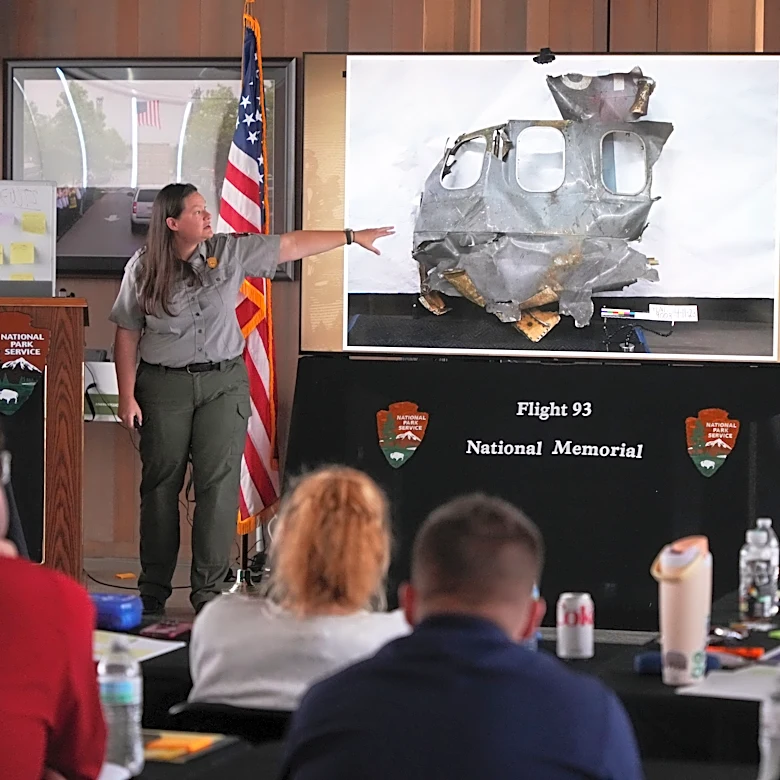
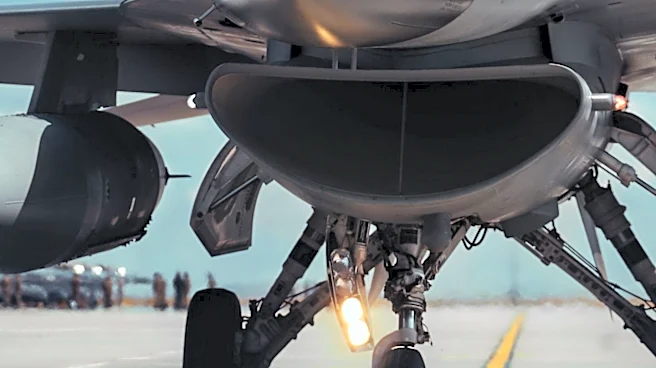
her flight lead, then-Colonel Marc Sasseville, scrambled their F-16s without live missiles, as most alert units had been shut down post-Soviet Union. Their plan was to ram their jets into the hijacked airliner: Sasseville into the nose and Penney into the tail. Penney described feeling angry and frustrated by the delay in receiving orders but was determined to protect the capital. She stated that if the universe placed her in that situation, it was her purpose. She later learned that United 93 had crashed before they could intercept it, due to the heroic actions of the passengers.
Why It's Important?
This account highlights the extraordinary bravery and self-sacrifice of military personnel during the 9/11 attacks, underscoring the immediate and profound threat faced by the nation's capital. Penney's willingness to sacrifice her life to protect countless others exemplifies the ultimate commitment to duty and national security. The lack of armed interceptors ready for immediate deployment on 9/11 exposed critical vulnerabilities in national defense protocols, leading to significant changes in air defense readiness and procedures. This event serves as a stark reminder of the unpredictable nature of threats and the necessity for robust and adaptable defense mechanisms. It also emphasizes the human element of heroism in times of crisis, where individuals are called upon to make unimaginable decisions under extreme pressure, shaping the course of history and national response.
What's Next?
The legacy of 9/11, including stories like Penney's, continues to influence national security policies and military preparedness. The lessons learned from the lack of immediate armed response capabilities on that day have led to permanent changes in how the U.S. military maintains air defense readiness. These narratives are crucial for ongoing public education about the sacrifices made to protect the nation and for fostering a sense of unity and resilience. As the country reflects on the 9/11 attacks, such personal accounts reinforce the importance of vigilance and preparedness against future threats. The story also serves as an enduring testament to the courage of individuals who stand ready to defend the nation, inspiring future generations of service members.
Beyond the Headlines
Penney's story delves into the profound ethical and psychological dimensions of military service, particularly the concept of a 'suicide mission' in defense of the homeland. It raises questions about the limits of duty and the personal cost of protecting national security. The narrative also implicitly critiques the post-Cold War drawdown of military readiness, which left critical gaps in immediate response capabilities. This historical context is vital for understanding the evolution of U.S. defense strategy and the continuous balance between peacetime cost-saving and wartime preparedness. Furthermore, Penney's reflection on the passengers of United 93 as the true heroes underscores a broader theme of collective heroism and the unexpected ways ordinary citizens can rise to extraordinary challenges, shaping the national memory and identity surrounding 9/11.