








What's Happening?
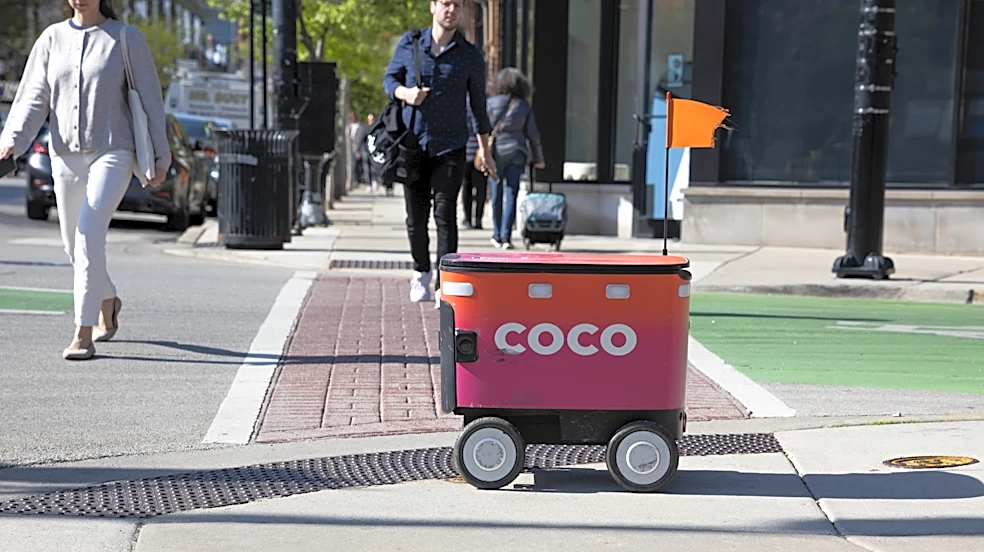
Two proposed class action lawsuits have been filed in Chicago against Coco Robotics and Serve Robotics, alleging that their delivery robots collected biometric information from individuals without consent. The lawsuits claim that the companies violated
Illinois’ Biometric Information Privacy Act (BIPA), which mandates written notice, prior written consent, and specific data retention/deletion schedules for biometric data collection. Plaintiff Mitchell Breidinger stated that a Coco robot captured his facial and hand geometry using cameras and lidar during a delivery, without prior notification or consent. Similarly, Barry Schain alleged that Serve Robotics collected his data during Uber Eats deliveries. Both companies operate thousands of robots in major U.S. cities like Chicago, Los Angeles, Washington D.C., and Miami, primarily for food delivery services. The lawsuits seek statutory damages of $1,000 per negligent violation or $5,000 per intentional violation. Both Coco Robotics and Serve Robotics have denied the claims, stating they do not record biometric data of customers or passersby, and only use cameras and sensors for navigation and safety.
Why It's Important?
These lawsuits highlight growing concerns about privacy and unregulated surveillance in public spaces, particularly as autonomous delivery robots become more prevalent in U.S. cities. The allegations raise critical questions about how companies utilize advanced AI, cameras, and lidar technology, and whether sufficient safeguards are in place to protect individuals' biometric data. If successful, these lawsuits could set a precedent for how robotic delivery services operate nationwide, potentially leading to stricter regulations on data collection practices and increased transparency requirements. For consumers, it underscores the need for awareness regarding their digital rights and the potential for their personal data to be collected by emerging technologies. For businesses, it signals the importance of adhering to privacy laws like BIPA and proactively addressing public concerns about surveillance to maintain trust and avoid costly legal battles, which could impact the rapid expansion of the robotic delivery market in the U.S.
What's Next?
The lawsuits against Coco Robotics and Serve Robotics will proceed through the legal system, with potential class certification hearings and discovery phases. The outcomes could significantly influence the operational guidelines for robotic delivery companies across the U.S., especially in states with similar biometric privacy laws. Companies in the autonomous delivery sector may face increased pressure to implement more transparent data collection policies, obtain explicit consent from individuals, and enhance their data security measures. Regulators might also consider developing new frameworks or updating existing ones to address the unique privacy challenges posed by AI-powered robots operating in public environments. The industry's projected growth from $252 million in 2025 to $3.1 billion by 2035 could be impacted by these legal and regulatory developments, potentially slowing adoption if privacy concerns are not adequately addressed.
Beyond the Headlines
The legal challenges against delivery robots collecting biometric data delve into the broader societal implications of pervasive AI and automation. Beyond privacy, these cases touch upon the ethical boundaries of technology deployment in public spaces and the potential for mission creep, where data collected for one purpose (navigation) could be used for another (AI training or identification). The public backlash against these robots, including instances of vandalism, reflects a growing unease with technology's encroachment into daily life without clear oversight or consent. This situation could spark a wider debate on the balance between technological innovation and individual rights, potentially leading to a re-evaluation of how smart city infrastructure and autonomous systems are integrated into urban environments. It also highlights the ongoing tension between corporate interests in data collection for AI development and the public's demand for privacy and control over their personal information, shaping future legal and ethical standards for AI in the U.S.