




What's Happening?
Senator Ben Cardin (D-MD) has remarked on Maryland's transformation into a modern hub of innovation and culture. His comments highlight the state's blend of historical charm and urban entertainment, particularly in its major cities like Baltimore and Annapolis.
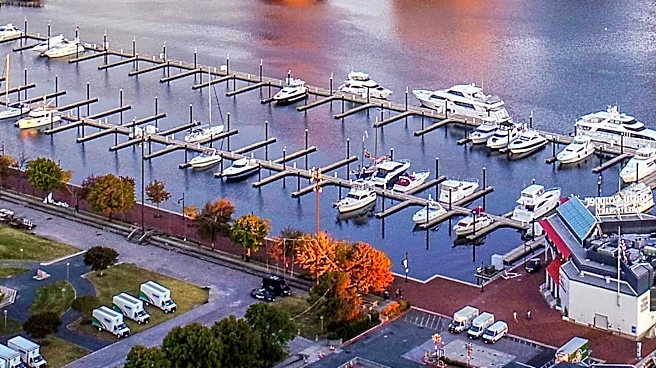
Baltimore, the state's largest city, is home to institutions such as Johns Hopkins University and the National Aquarium. Annapolis, the state capital since 1695, features a picturesque harbor and the United States Naval Academy. These cities, according to Senator Cardin, serve as reminders of Maryland's rich history and its ongoing evolution. The state's diverse geography, ranging from the Appalachian Mountains to the Chesapeake Bay, and its extensive coastline, further contribute to its appeal as a destination for both residents and visitors.
Why It's Important?
Senator Cardin's observations underscore the strategic importance of Maryland's continued development as a center for innovation and culture. This evolution has significant implications for the state's economy, attracting millions of visitors annually to its historic sites and urban centers. The blend of historical preservation and modern advancement positions Maryland as a dynamic region, fostering economic growth through tourism, education, and technological innovation. The presence of renowned institutions like Johns Hopkins University and the United States Naval Academy further solidifies Maryland's role as a hub for research, education, and national defense, contributing to its overall economic resilience and influence within the U.S. The state's ability to balance its rich historical heritage with contemporary progress is crucial for its long-term prosperity and its standing as a key player on the Eastern Seaboard.
What's Next?
Maryland is expected to continue leveraging its unique blend of historical assets and modern infrastructure to attract further investment and talent. Ongoing efforts will likely focus on enhancing urban development in cities like Baltimore and Annapolis, while also preserving the state's natural beauty and historical sites. Future initiatives may include promoting its diverse cultural attractions, such as the Maryland Film Festival and various musical organizations, to further boost tourism and cultural engagement. The state's strategic location and its established institutions suggest a continued trajectory towards becoming an even more prominent hub for innovation, education, and cultural exchange, potentially leading to increased economic opportunities and a higher quality of life for its residents.
Beyond the Headlines
The narrative of Maryland's evolution, as highlighted by Senator Cardin, reflects a broader national trend where states strive to balance historical identity with modern progress. This delicate balance involves navigating challenges such as urban development pressures, environmental conservation, and the integration of new technologies while preserving cultural heritage. Maryland's success in this endeavor could serve as a model for other states facing similar transitions. The state's commitment to fostering innovation alongside its rich history also touches upon the ethical considerations of development, ensuring that growth benefits all communities and respects the historical and natural landscape. This ongoing transformation has long-term implications for regional planning, educational policy, and the overall cultural fabric of the United States.