
What's Happening?
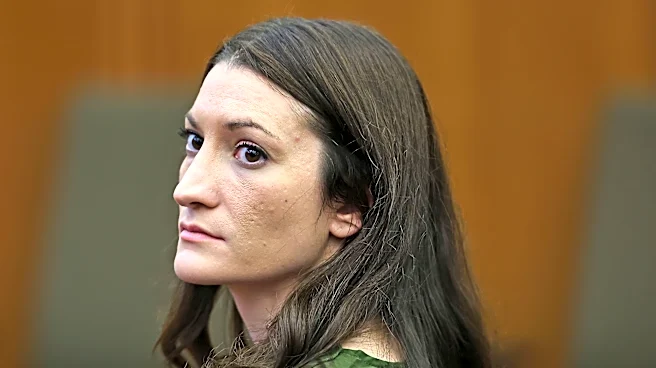
Tova Noel, a correctional officer at the Metropolitan Correctional Center, testified before the House Oversight Committee concerning the circumstances surrounding Jeffrey Epstein's death. Noel was one
of two officers assigned to the Special Housing Unit on the night Epstein died. She admitted to the committee that she failed to perform required inmate checks and subsequently signed records falsely indicating that these rounds had been completed. Noel described the facility as understaffed and poorly managed, stating she was exhausted, inadequately trained, and assigned duties beyond her normal responsibilities. She maintained that she last saw Epstein alive during the evening medication round and observed nothing to suggest he intended to harm himself. Noel also highlighted unusual accommodations provided to Epstein, including extra bed linens, a CPAP machine, and access to medication that appeared different from what other prisoners received. She denied any involvement in Epstein's death, receiving money in connection with him, or knowledge of any alleged payments to facilitate cell access. Noel also refuted claims that she was an unidentified figure seen near Epstein's tier on surveillance footage, stating she never returned to the area.
Why It's Important?
Noel's testimony is important as it reinforces a narrative of extraordinary negligence, special treatment, and institutional dysfunction within the federal correctional system, particularly concerning high-profile inmates. Her account, while denying direct involvement in Epstein's death, highlights critical security failures and procedural lapses that allowed a significant federal prisoner to die by suicide. The revelations about understaffing, inadequate training, and the alleged special accommodations for Epstein raise serious questions about accountability and the integrity of correctional facility operations. This situation has broader implications for public trust in the justice system and could prompt calls for systemic reforms in how federal prisons manage vulnerable or high-risk inmates. The ongoing unanswered questions regarding the abandonment of checks, Epstein's lack of a cellmate, and the unexplained surveillance imagery suggest a deeper institutional breakdown that extends beyond individual negligence, impacting the perceived fairness and security of federal incarceration.
What's Next?
The ongoing investigation into Jeffrey Epstein's death is likely to continue, with Noel's testimony potentially serving as a catalyst for further scrutiny of the Metropolitan Correctional Center and broader federal prison policies. The House Oversight Committee may pursue additional testimonies from other correctional staff, administrators, or experts to fully understand the systemic issues that contributed to the incident. There could be increased pressure for internal investigations within the Bureau of Prisons to address the alleged negligence, special treatment, and institutional dysfunction. Lawmakers might consider legislative actions to mandate stricter oversight, improved staffing levels, and enhanced training for correctional officers, especially those managing inmates with high-security or high-profile statuses. The public and media will likely continue to demand answers to the unresolved questions surrounding Epstein's death, maintaining pressure on authorities to provide a comprehensive account and implement reforms to prevent similar occurrences in the future.
Beyond the Headlines
Beyond the immediate implications for the correctional facility, Noel's testimony touches upon deeper ethical and systemic issues within the U.S. justice system. The alleged special treatment afforded to Epstein, a wealthy and influential individual, raises concerns about a two-tiered justice system where privilege can influence incarceration conditions. This perception can erode public confidence in the principle of equal justice under the law. The failure of multiple security procedures and the subsequent lack of clear answers also highlight a potential culture of opacity and lack of accountability within federal institutions. This incident could trigger a broader re-evaluation of how the justice system handles high-profile cases, particularly those involving powerful individuals accused of serious crimes, to ensure that wealth and influence do not compromise security protocols or the pursuit of justice. The long-term shift could involve a greater emphasis on transparency and independent oversight to prevent future abuses and restore public trust.