





What's Happening?
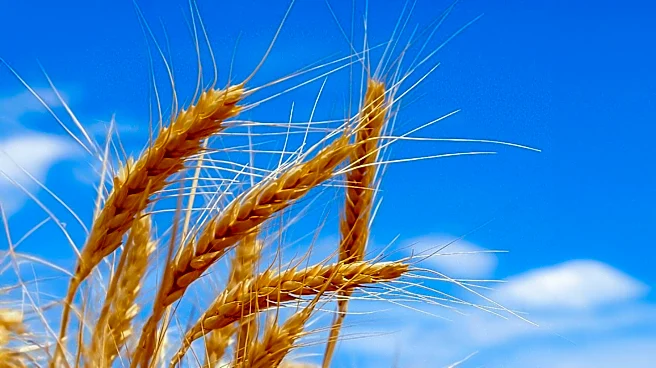
A study by the Grain Foods Research Institute highlights the potential risks of nutrient deficiencies if the enrichment of grain products is discontinued. The research, published by Shelley Maniscalco and Chesney Richter, emphasizes that enriched grains
are significant sources of B vitamins and iron, contributing to a substantial portion of daily nutrient intake. The study warns that removing enrichment could lead to increased nutrient inadequacy, particularly affecting vulnerable populations. Historically, enrichment has played a crucial role in reducing nutrient deficiency diseases in the U.S., and its removal could reverse these public health gains.
Why It's Important?
The findings underscore the critical role that enriched grains play in the American diet, particularly in providing essential nutrients that are often under-consumed. The potential removal of enrichment could exacerbate existing micronutrient deficiencies, leading to public health challenges. This issue is particularly relevant as the food industry faces increasing scrutiny over food additives and the push for more natural products. The study serves as a reminder of the balance needed between natural food trends and the nutritional benefits provided by enrichment, highlighting the importance of informed public health policies.
What's Next?
The study may prompt discussions among policymakers, nutritionists, and the food industry about the future of grain enrichment. There could be calls for more research to explore alternative ways to ensure nutrient adequacy without relying solely on enrichment. Additionally, public health campaigns may be necessary to educate consumers about the importance of enriched grains in their diet. The food industry might also explore fortification strategies that align with consumer preferences for natural and minimally processed foods.