
What's Happening?
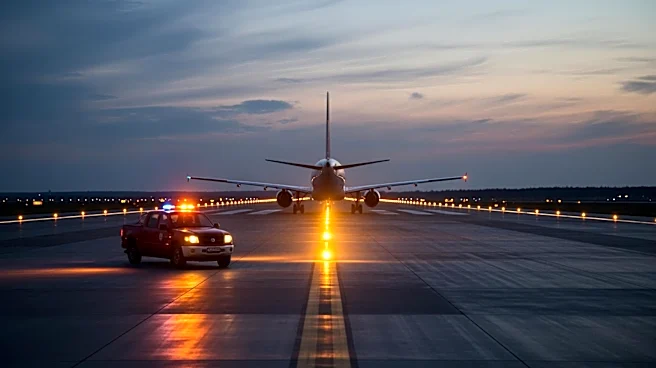
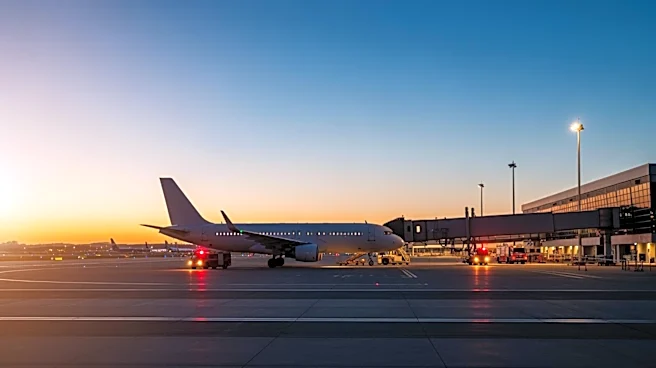
A United Airlines flight with approximately 200 passengers was evacuated at Denver International Airport following a bomb threat. The incident occurred on a Sunday night as the plane was preparing to depart for Washington Dulles. Passengers disembarked
while the aircraft was inspected for security concerns. Emergency services, including police and bomb squads, were present at the scene. No explosives were found, and the Airbus A321neo eventually departed over five hours later than scheduled, landing at Dulles early Monday morning. This event follows a similar scare the previous day when a United flight to LaGuardia was diverted to Pittsburgh due to a bomb threat. In that case, passengers and crew safely exited the aircraft, and no bomb was discovered.
Why It's Important?
The repeated bomb threats on United Airlines flights highlight ongoing security challenges in the aviation industry. Such incidents can cause significant disruptions, leading to delays and increased anxiety among passengers. They also necessitate a substantial response from law enforcement and emergency services, which can strain resources. For airlines, these threats can impact operational efficiency and customer trust. The aviation sector must continuously adapt its security measures to address these threats, ensuring passenger safety while minimizing disruptions. The incidents underscore the importance of robust security protocols and the need for effective communication between airlines and security agencies.
What's Next?
In response to these incidents, United Airlines and airport authorities may review and enhance their security protocols to prevent future threats. This could involve increased screening measures, more rigorous checks of passenger and luggage, and enhanced training for staff to handle such situations. Additionally, there may be discussions at the federal level regarding aviation security policies, potentially leading to new regulations or guidelines. Passengers can expect heightened security measures at airports, which may result in longer wait times and more thorough checks.