



What's Happening?
A recent study published in Infection Control & Hospital Epidemiology has challenged the notion that brief contact with contaminated surfaces does not affect the sterility of surgical implants. Conducted by researchers at the Duke Center for Antimicrobial
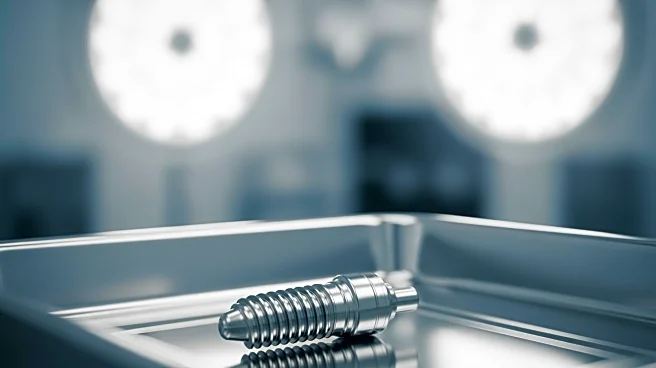
Stewardship and Infection Prevention, the study involved exposing orthopedic implants to contamination and testing various disinfection methods. The findings revealed that while disinfection methods like chlorhexidine gluconate and povidone iodine reduced pathogens, they did not fully eliminate contamination. The study suggests that dropped implants should be replaced rather than disinfected, as even brief exposure can introduce microbes that are not easily removed.
Why It's Important?
The study highlights the potential risks associated with using contaminated surgical implants, emphasizing the importance of maintaining sterility in medical procedures. This has implications for patient safety, as contaminated implants can lead to infections and complications. The findings may influence hospital protocols and guidelines regarding the handling of surgical implants, potentially leading to stricter measures to ensure sterility. Healthcare providers and patients stand to benefit from improved safety standards, reducing the risk of post-surgical infections and associated healthcare costs.
What's Next?
Hospitals and surgical centers may need to review and update their protocols for handling surgical implants, considering the study's recommendation to replace rather than disinfect dropped implants. This could involve training staff on new procedures and investing in additional resources to ensure the availability of sterile implants. Regulatory bodies might also consider revising guidelines to reflect these findings, potentially impacting the broader healthcare industry.