




What's Happening?
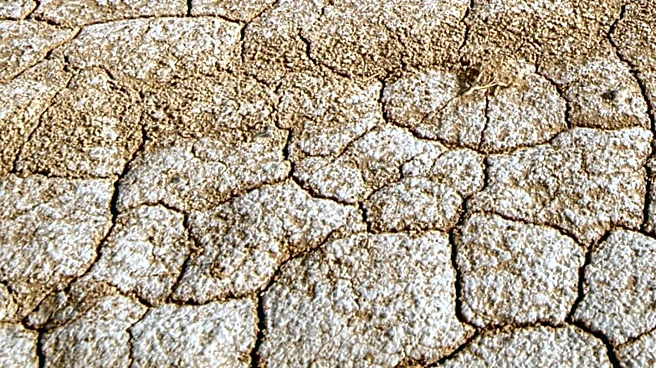
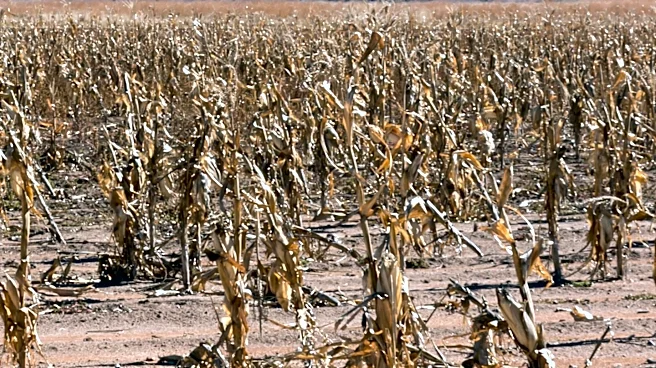
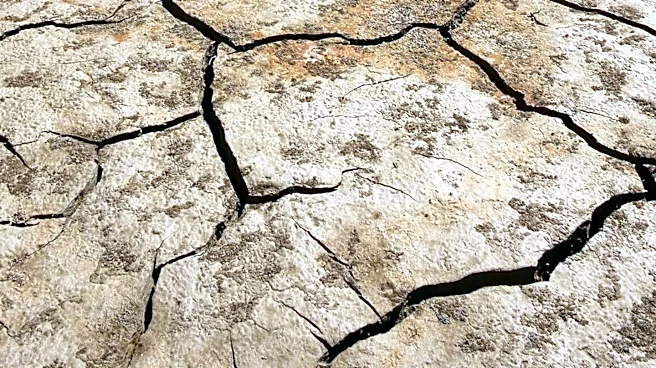
The central United States is facing increasing concerns over a flash drought, exacerbated by persistent high-pressure systems and uneven rainfall. Meteorologist Eric Snodgrass from Nutrien highlights the rapid decline in soil moisture, which is affecting
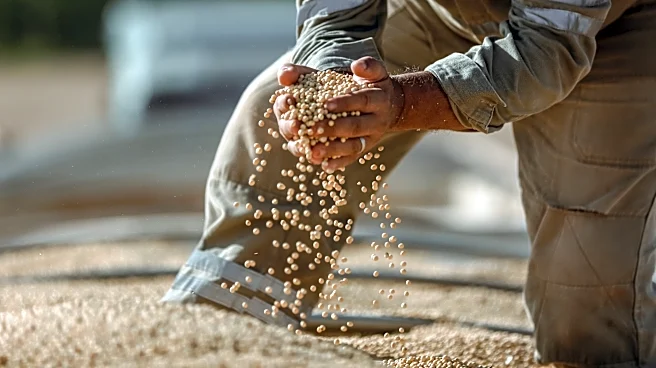
key agricultural regions. The situation is compounded by lingering wildfire smoke and the influence of a developing El Niño, which could further disrupt weather patterns. These conditions pose significant challenges for crop production, particularly for corn and soybeans, which rely on timely precipitation.
Why It's Important?
The potential flash drought poses a serious threat to agricultural productivity in the central U.S., a major crop-producing area. This could lead to reduced yields and increased economic pressure on farmers, affecting food supply and prices. The situation underscores the vulnerability of agriculture to climate variability and the need for adaptive strategies to mitigate such risks. It also highlights the importance of accurate weather forecasting and resource management to support farmers in navigating these challenges.
What's Next?
Farmers and agricultural stakeholders will need to closely monitor weather developments and adjust their practices accordingly. The strengthening El Niño could influence global weather patterns, potentially leading to more extreme conditions. Policymakers and industry leaders may need to consider long-term strategies to enhance resilience against climate impacts, including investment in water management and drought-resistant crops. Continued research and collaboration will be essential to address the evolving challenges posed by climate change.