






What's Happening?
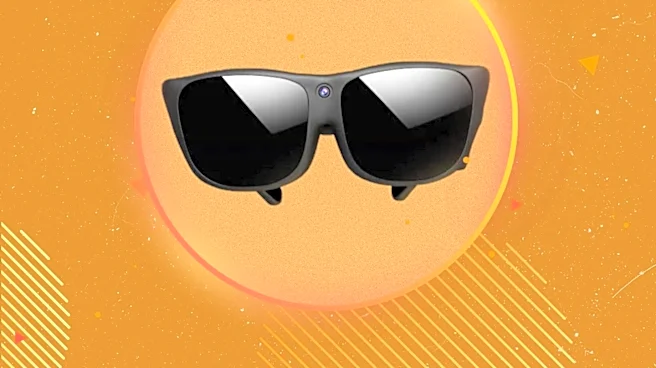
Immigrations and Customs Enforcement (ICE) has issued a memo prohibiting its agents and all employees from wearing Meta glasses or similar smart devices while on duty. The agency cited concerns that such devices could inadvertently capture, record, or transmit
sensitive information, potentially compromising privacy and legal protections. This policy clarification comes after numerous sightings of ICE and Customs and Border Patrol (CBP) agents using Meta's smart glasses in the field, including during an immigration raid and other operations across at least six states. Despite the current ban on personal smart glasses, the Department of Homeland Security (DHS) is reportedly exploring the development of an official version of this technology. Budget documents suggest that ICE aims to equip its officers with bespoke smart glasses featuring biometric identification capabilities by next year. This move indicates a potential shift towards agency-sanctioned use of such technology, even as privacy advocates raise concerns about the surveillance capabilities of Meta's products, particularly an unreleased facial recognition feature and the ease with which the privacy-protecting LED can be bypassed.
Why It's Important?
This development highlights a growing tension between technological advancement, law enforcement capabilities, and privacy rights in the United States. The prohibition on personal Meta glasses for ICE agents underscores the immediate privacy and legal risks associated with consumer-grade smart devices in sensitive operational contexts. It reflects a recognition by DHS of the potential for unauthorized data collection and the compromise of protected information, which could lead to legal challenges and public distrust. Simultaneously, the agency's interest in developing its own biometric smart glasses signals a strategic intent to leverage advanced technology for identification and surveillance purposes. This dual approach—restricting personal devices while pursuing official ones—suggests a desire to control the technology's implementation and ensure compliance with legal frameworks, albeit within a context that still raises significant civil liberties questions. The integration of biometric identification into law enforcement tools could enhance operational efficiency but also intensifies debates around data security, individual privacy, and the scope of government surveillance.
What's Next?
The immediate next step involves ICE employees adhering to the new policy, which prohibits the use of personal Meta glasses. However, the more significant development to watch is the progression of DHS's plans to equip ICE officers with official, bespoke smart glasses featuring biometric identification capabilities. This initiative, reportedly slated for next year, will likely involve a procurement process, technological development, and the establishment of clear guidelines for their use. The introduction of such official devices will undoubtedly spark further public and legislative debate regarding their deployment, data handling protocols, and the safeguards in place to protect privacy and prevent misuse. Stakeholders, including civil liberties organizations and privacy advocates, are expected to scrutinize these developments closely, potentially leading to calls for increased oversight, regulatory frameworks, and public transparency regarding the capabilities and limitations of these advanced surveillance tools. Meta, while not directly involved in law enforcement's official plans, will continue to face scrutiny over the privacy implications of its consumer smart glasses.
Beyond the Headlines
The ICE memo and the DHS's exploration of official biometric smart glasses delve into profound ethical and societal implications concerning surveillance, privacy, and the future of law enforcement. The ease with which consumer devices like Meta glasses can record and transmit information blurs the lines between personal and professional conduct, raising questions about accountability and the potential for mission creep in surveillance. The move towards agency-specific biometric smart glasses, while offering potential benefits in security and identification, also carries the risk of expanding the surveillance state. This could lead to a normalization of constant monitoring, impacting civil liberties and potentially disproportionately affecting marginalized communities. The development of such technology necessitates a robust public discourse on the balance between national security, law enforcement efficacy, and fundamental rights. It also highlights the need for clear legal frameworks and ethical guidelines to govern the collection, storage, and use of biometric data by government agencies, ensuring transparency and preventing potential abuses of power in an increasingly technologically advanced society.