




What's Happening?
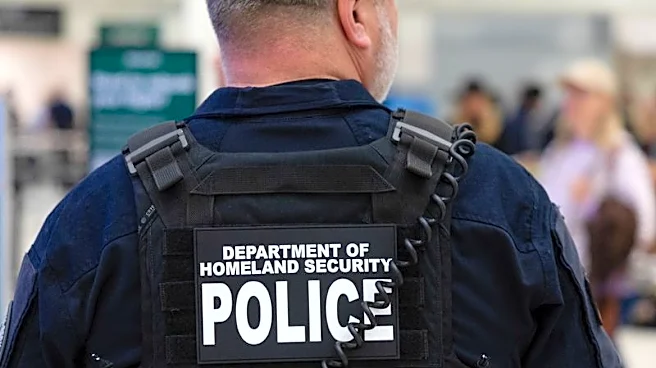
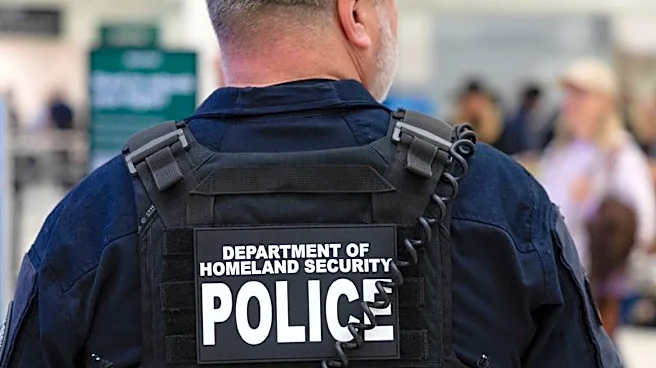
The Department of Homeland Security (DHS) is addressing a data leak that exposed contact information and organizational affiliations for personnel within its Office of Intelligence and Analysis (I&A). Approximately 41,000 agency records were published,
revealing names, phone numbers, email addresses, job titles, and internal group memberships. The leak, which includes both current and historical entries, was published by the transparency nonprofit Distributed Denial of Secrets, with involvement from Swiss hacker and journalist 'maia arson crimew' and a hacktivist group named 'Department of Peace.' The exposed data includes personnel from I&A field operations and headquarters staff, as well as other DHS components like Immigration and Customs Enforcement, Homeland Security Investigations, and the Cybersecurity and Infrastructure Security Agency.
Why It's Important?
This data exposure represents a potentially severe operational failure, as it could enable foreign intelligence services or criminals to identify, track, and target intelligence personnel. The ability to connect an individual's identity to their job, contact information, and operational role provides adversaries with a 'targeting map,' making impersonation more convincing and creating risks that extend beyond the network. Such information could be used to craft deceptive messages or calls, compromising the safety of undercover personnel and potentially undermining national security operations. The incident also raises concerns about DHS's ability to detect intrusions, especially given previous reports of dismissed signs of hackers within the Homeland Security Information Network.
What's Next?
DHS has acknowledged the potential breach and is actively working to address the situation. A department spokesperson stated that they are taking all security threats against their employees seriously and will ensure proper protection. The department plans to update the public as more information becomes available. The hacktivist group claimed to have obtained the records through an Okta single sign-on service used by DHS, though this has not been directly confirmed by Nextgov/FCW. The incident will likely prompt an internal investigation into the cause of the leak and a review of DHS's cybersecurity protocols and data protection measures to prevent future occurrences and mitigate the risks posed by the exposed information.
Beyond the Headlines
The leak underscores the persistent and evolving threat of cyberattacks against government agencies, particularly those involved in intelligence and national security. Beyond the immediate risks to personnel, such breaches can erode public trust in government institutions and their ability to safeguard sensitive information. The incident also highlights the complex interplay between transparency, national security, and the actions of hacktivist groups. The 'Department of Peace' stated their motivation was retaliation for immigration enforcement and to support public scrutiny of DHS operations, raising ethical questions about the methods used to achieve transparency. This event could lead to a re-evaluation of data handling practices, employee training on digital security, and the overall resilience of federal cybersecurity infrastructure.