




What's Happening?
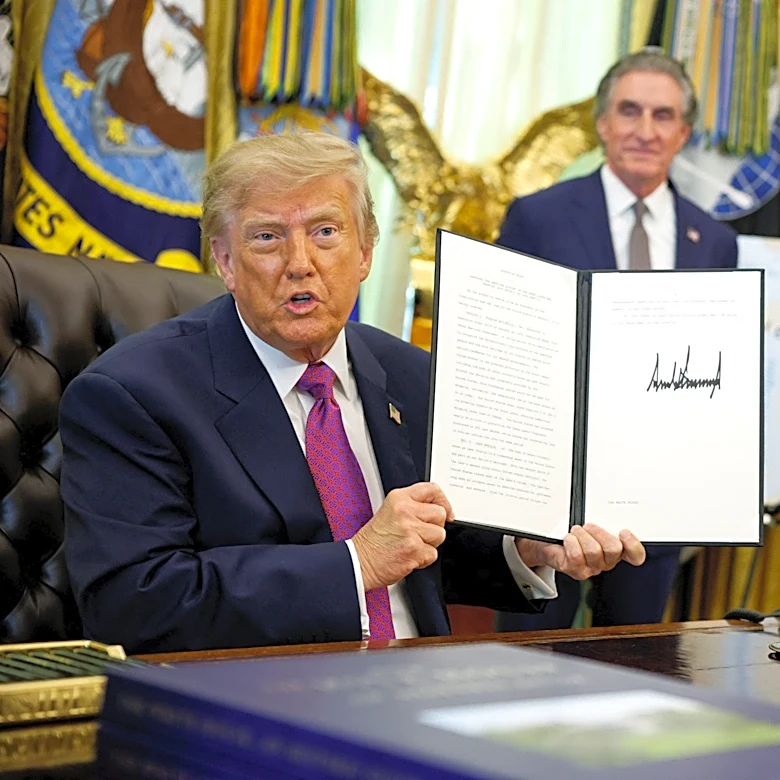
U.S. Commerce Secretary Howard Lutnick, a key figure in President Trump's administration, has voiced dissatisfaction with the current trade deal proposed with Canada. Sources familiar with the closed-door discussions indicate that Lutnick believes the United
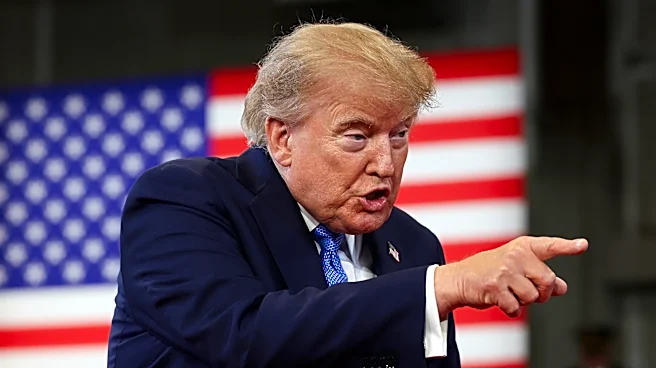
States could secure more favorable terms than those currently on the table. His primary concern reportedly centers on the potential lowering of sectoral tariffs, specifically reducing the levy on Canadian-made automobiles from 25 percent to 15 percent. Lutnick argues that such a reduction would undermine efforts to promote domestic production within the U.S. This stance contrasts with the more optimistic public statements from President Trump and Canadian Prime Minister Mark Carney, who have described the agreement as beneficial for both nations. The negotiations are nearing a deadline, with a three-day suspension on new tariffs against Canadian goods set to expire soon. While Lutnick's involvement has not been suggested to jeopardize the deal entirely, his reservations highlight internal disagreements within the U.S. administration regarding the terms of the trade agreement.
Why It's Important?
This development is significant for U.S. trade policy and economic relations with Canada. Secretary Lutnick's influence, stemming from his long-standing relationship with President Trump and his role in economic policy, means his objections carry considerable weight. His push for stricter tariff measures reflects a broader protectionist sentiment within the administration, aiming to bolster U.S. domestic industries. If Lutnick's concerns lead to a renegotiation or hardening of the U.S. position, it could impact sectors like aluminum, steel, and automotive manufacturing, which have been subject to tariffs. For U.S. consumers, changes in tariffs could affect the prices of imported Canadian goods, particularly automobiles. Furthermore, the ongoing negotiations and internal disagreements underscore the complexities of international trade agreements and the balance between protecting domestic industries and fostering international trade relationships. The outcome will set a precedent for future trade discussions and could influence the U.S.'s approach to trade with other countries.
What's Next?
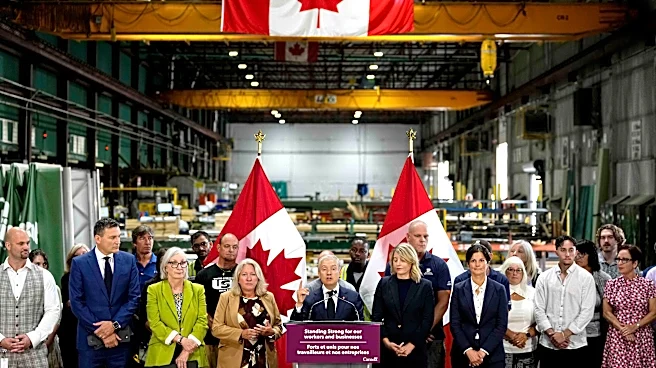
As the deadline for the tariff suspension approaches, Canadian and U.S. negotiators are working to finalize the trade agreement. The U.S. Commerce Secretary's dissatisfaction could lead to further adjustments in the proposed deal, potentially requiring more concessions from Canada or a re-evaluation of the tariff structure. While President Trump has expressed optimism about reaching a deal, the internal dissent from a key cabinet member suggests that the final agreement might differ from earlier expectations. Stakeholders in the U.S. aluminum, steel, and automotive industries will be closely watching the outcome, as it will directly affect their market conditions and competitive landscape. The Canadian government, having already made some concessions, may face pressure to address Lutnick's concerns to secure a deal. The situation highlights the dynamic nature of trade negotiations and the potential for last-minute changes driven by influential figures within the negotiating parties.
Beyond the Headlines
The internal friction within the Trump administration regarding the Canada trade deal reveals the ongoing tension between different economic philosophies. Secretary Lutnick's emphasis on tariffs to encourage domestic production aligns with a 'America First' approach, prioritizing national industries over broader free trade principles. This perspective has been a cornerstone of President Trump's economic strategy, and Lutnick's advocacy for it underscores its deep roots within the administration. The debate over tariff levels and their impact on domestic versus international trade reflects a fundamental question about the future direction of U.S. economic policy. Beyond the immediate trade deal, this episode illustrates the power dynamics within the executive branch and how individual cabinet members can shape policy outcomes, even when the President has indicated a general direction. It also highlights the challenges of balancing complex economic interests with political objectives in international relations.