
What's Happening?
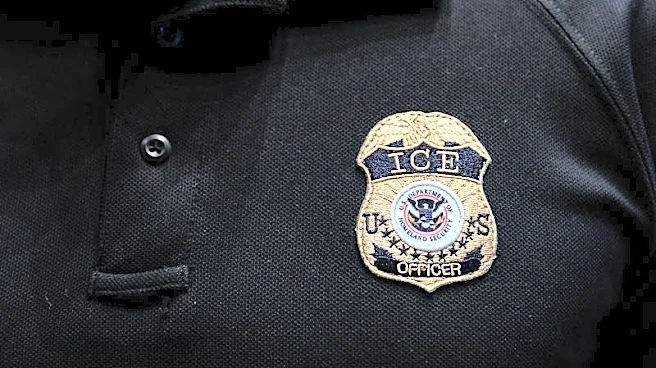
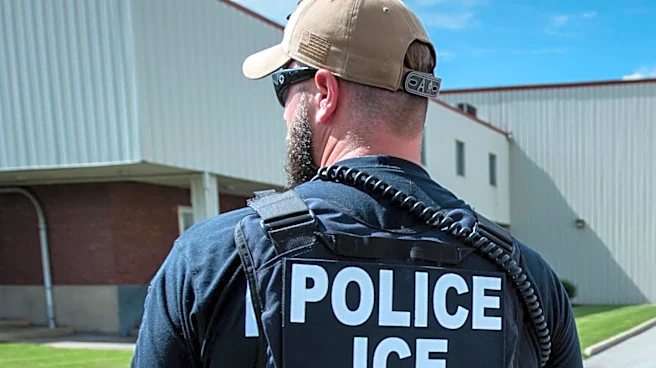
An 8-year-old Haitian boy, who was placed in federal custody earlier this month after an immigration appointment in San Diego, has been released. Immigration and Customs Enforcement (ICE) agents took the
boy into federal care on November 5 after he attended a check-in appointment with a man ICE identified as claiming to be the boy's uncle. The Department of Homeland Security (DHS) stated that the child was designated an unaccompanied minor because the alleged uncle could not establish legal guardianship. DHS further explained that the decision to remove the child from the household and place him in the care of the Office of Refugee Resettlement (ORR) was made 'out of an abundance of caution and to ensure the child's safety.' The boy, a third-grader, has been living with relatives since his father was deported in 2025. His release was welcomed by the Haitian Bridge Alliance, an advocacy group that had campaigned for his freedom.
Why It's Important?
This incident highlights the complex and often contentious issues surrounding immigration enforcement, particularly concerning children and families. The detention of an 8-year-old, even if deemed an unaccompanied minor by authorities, raises significant humanitarian and ethical questions about the impact of immigration policies on vulnerable populations. The case also underscores the challenges faced by families navigating the U.S. immigration system, especially when legal guardianship cannot be immediately established. The involvement of advocacy groups like the Haitian Bridge Alliance in securing the boy's release demonstrates the critical role civil society plays in monitoring and responding to immigration practices. Furthermore, the context of 350,000 Haitians losing Temporary Protected Status (TPS) earlier this year, stripping them of deportation protections, adds another layer of complexity, indicating broader policy shifts affecting the Haitian community in the U.S.
What's Next?
The boy has returned to school, with the San Diego Unified School District providing support to him and his family. While his immediate situation is resolved, the broader implications for other children in similar circumstances remain. Advocacy groups will likely continue to monitor ICE and DHS practices regarding minors and family separations, pushing for policies that prioritize child welfare and family unity. The legal framework surrounding guardianship for immigrant children may face further scrutiny, potentially leading to calls for clearer guidelines or reforms. The ongoing debate about immigration policies, particularly those affecting vulnerable populations and those who have lost TPS, is expected to continue, influencing future legislative and administrative actions. The case may also fuel further discussions about the role of the Office of Refugee Resettlement and its protocols for housing minors without valid immigration status.
Beyond the Headlines
The detention of the 8-year-old Haitian boy reflects a broader tension between immigration enforcement objectives and child protection principles. The DHS's rationale of acting 'out of an abundance of caution' highlights the difficult decisions agencies face, but also raises questions about the proportionality of such actions and the availability of less restrictive alternatives. The incident also brings to light the ripple effects of deportation policies, where children are left in the care of relatives who may struggle to establish legal guardianship, creating precarious situations. The public outcry and advocacy efforts that led to the boy's release underscore the power of public opinion and organized advocacy in influencing outcomes in individual immigration cases. This case could serve as a touchstone for future debates on immigration reform, emphasizing the human cost of policies and the need for more compassionate and family-centered approaches within the immigration system.