







What's Happening?
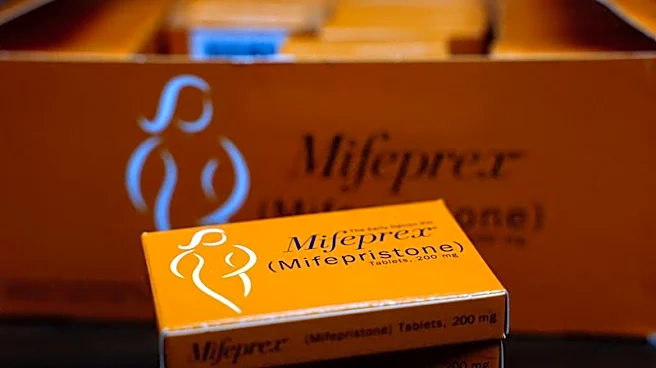
Justice Samuel Alito has temporarily restored a Food and Drug Administration rule allowing the abortion pill mifepristone to be prescribed online and sent by mail. This decision halts an appellate court order that blocked the FDA's rule, providing temporary
relief to mifepristone manufacturers. The Supreme Court's intervention comes amid ongoing legal challenges to the pill's availability, following the overturning of Roe v. Wade. The decision maintains access to mifepristone while the court considers the drug companies' requests for a permanent resolution.
Why It's Important?
The Supreme Court's temporary restoration of the FDA rule for mifepristone is significant for reproductive rights and healthcare access in the U.S. The decision impacts the availability of medication abortions, which have become a critical option for women in states with restrictive abortion laws. By allowing telehealth and mail distribution, the court's decision supports broader access to reproductive healthcare, particularly for those in rural or underserved areas. The legal battles over mifepristone highlight the ongoing national debate over abortion rights and the role of the judiciary in shaping healthcare policy.
What's Next?
The Supreme Court's temporary order will remain in effect while both sides respond and the court considers the issue further. The legal challenges surrounding mifepristone are likely to continue, with potential implications for state-level abortion laws and healthcare access. Stakeholders, including reproductive rights advocates and healthcare providers, will closely monitor the developments, advocating for continued access to medication abortions. The court's decisions will play a crucial role in shaping the future of reproductive rights and healthcare policy in the U.S.