
What's Happening?
The Trump administration's proposed Golden Dome missile defense system is under scrutiny for its projected costs and feasibility. The system, intended to protect the U.S. from nuclear threats, could cost up
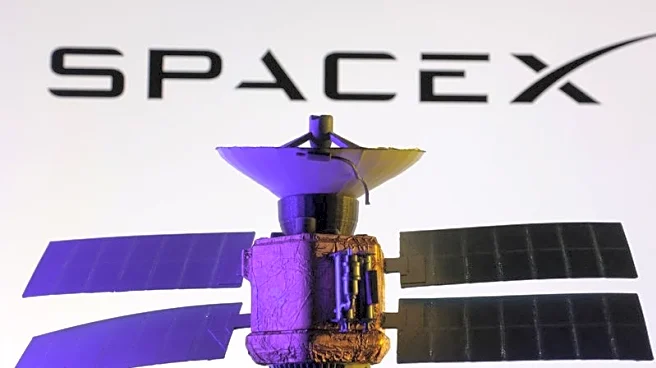
to $3.6 trillion over 20 years, far exceeding initial estimates. Critics, including the nonpartisan Taxpayers for Common Sense, argue that the technological challenges are insurmountable and that the system may not effectively intercept intercontinental ballistic missiles. The initiative has also raised concerns about potential conflicts of interest with companies like SpaceX and Palantir Technologies seeking contracts.
Why It's Important?
The Golden Dome project represents a significant investment in national defense, with implications for U.S. taxpayers and national security. If the system fails to deliver on its promises, it could lead to wasted resources and increased vulnerability to nuclear threats. The initiative also highlights issues of transparency and accountability in defense spending, as well as the potential for conflicts of interest in government contracts. The outcome of this project could influence future defense policies and spending priorities.
What's Next?
Congressional oversight and scrutiny are expected to increase as lawmakers seek detailed budgetary justifications for the Golden Dome initiative. The Pentagon will need to address concerns about the system's feasibility and cost-effectiveness. Additionally, the involvement of high-profile companies with ties to the administration may prompt further investigations into potential conflicts of interest. The project's progress and any developments in missile defense technology will be closely monitored by both policymakers and the public.