







What's Happening?
A recent poll conducted by NPR, the Chicago Council on Global Affairs, and Ipsos reveals that a significant majority of Americans oppose tariffs due to their negative impact on the U.S. economy. The survey indicates that 76% of respondents believe tariffs increase
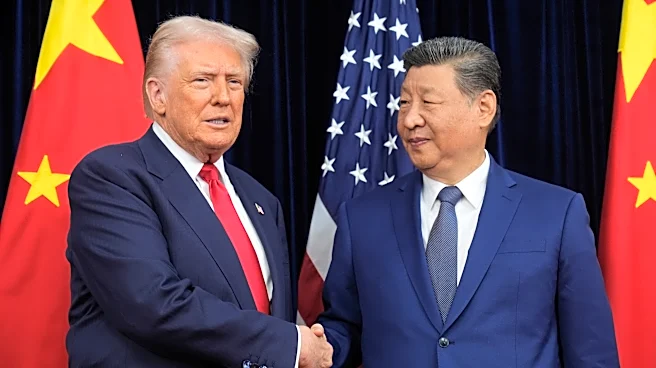
the cost of living, while 70% think they lower the standard of living, and 61% say they harm job creation. Additionally, 62% of Americans are against reducing trade with China if it results in higher consumer costs, a shift from previous years when many supported such measures despite potential price increases. The poll also highlights that 78% of Americans view China as aspiring to global dominance, with 56% perceiving the threat as more economic than military. The findings come amid reports of potential U.S.-China trade negotiations involving agricultural purchases in exchange for tariff reductions.
Why It's Important?
The poll's findings underscore a growing resistance among Americans to economic policies that could exacerbate living costs, reflecting broader concerns about the impact of tariffs on the domestic economy. This sentiment could influence U.S. trade policy, particularly in negotiations with China, as maintaining consumer affordability becomes a priority. The data also highlights the complex nature of U.S.-China relations, where economic interdependence is weighed against geopolitical rivalry. The potential for reduced tariffs in exchange for increased agricultural exports could benefit U.S. farmers and help stabilize trade relations, but it also raises questions about the long-term strategic balance between the two nations.
What's Next?
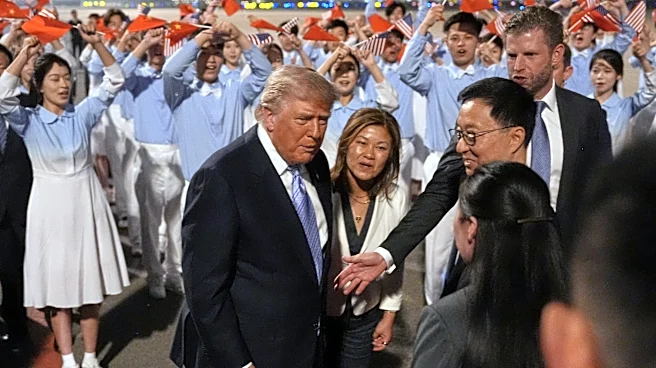
As President Trump visits Beijing, the outcomes of potential trade negotiations could significantly impact U.S. economic policy and international relations. If agreements are reached to reduce tariffs in exchange for Chinese agricultural purchases, it could lead to a temporary easing of trade tensions. However, the broader implications for U.S. economic strategy and geopolitical positioning remain uncertain. Policymakers will need to balance immediate economic benefits with long-term strategic interests, particularly in technology and security sectors, where public opinion supports restrictions on sensitive exports to China.