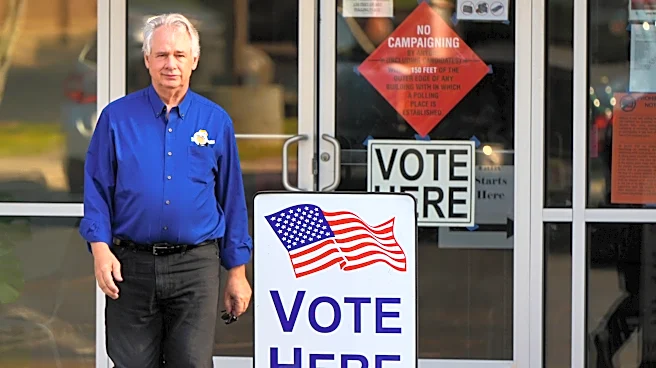








What's Happening?
Thomas Massie, a Republican congressman from Kentucky known for his independent stance within the party, lost his primary bid for reelection. This defeat follows a strong campaign against him led by President Trump, who endorsed Massie's opponent, Ed
Gallrein, a former Navy SEAL. Massie, who has been a prominent figure due to his willingness to vote against party lines, faced significant opposition from Trump, particularly after Massie opposed a $2.2 trillion COVID-19 aid package in 2020. Despite his loss, Massie hinted at a possible future in politics, as his supporters chanted for a 2028 presidential run during his concession speech.
Why It's Important?
Massie's defeat underscores President Trump's influence within the Republican Party, demonstrating his ability to sway elections and remove those who oppose him. This event highlights the ongoing tension within the party between traditional conservatives and those aligned with Trump's agenda. Massie's loss could signal a shift in the party's dynamics, potentially discouraging other Republicans from opposing Trump. The outcome also reflects the broader political landscape where loyalty to Trump remains a significant factor in Republican primaries.
What's Next?
Following Massie's defeat, attention will likely turn to how other Republican lawmakers respond to Trump's influence. The endorsement of Ed Gallrein by Trump may encourage more candidates to seek his support in future elections. Additionally, Massie's political future remains uncertain, but his hint at a potential 2028 presidential run suggests he may continue to be a figure in national politics. The Republican Party may also face internal debates about its direction and the role of dissenting voices within its ranks.
Beyond the Headlines
Massie's career, marked by his independent voting record and libertarian leanings, raises questions about the space for ideological diversity within the Republican Party. His efforts, such as pushing for the release of the Jeffrey Epstein files, highlight his willingness to challenge both party and presidential priorities. This development may prompt discussions about the balance between party loyalty and individual conviction in political careers.