









What's Happening?
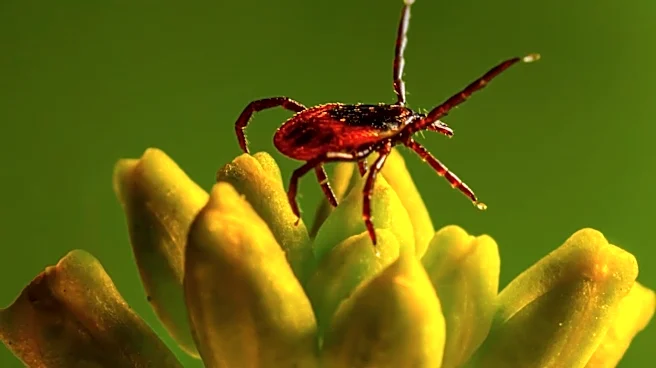
San Diego County public health officials have announced the first locally acquired case of Chagas disease. The disease was detected during a routine blood donation screening from a donor who exhibited no symptoms. Chagas disease, more commonly found in rural
areas of Latin America, is transmitted by the 'kissing bug,' which typically resides in rodent nests in the region. The disease often presents with mild symptoms such as fever, headache, and abdominal pain, but can lead to severe heart and gastrointestinal complications in 30 to 40% of cases if left untreated. The county has been tracking Chagas since it became locally reportable in 2024, with 22 reports and four confirmed cases, the latest being the first locally acquired. Health officials emphasize the importance of awareness and preventive measures, especially for those traveling to endemic areas.
Why It's Important?
The identification of a locally acquired case of Chagas disease in San Diego County highlights the potential for the disease to spread beyond its traditional endemic regions. This development underscores the need for increased public health awareness and preventive strategies in the U.S., particularly in areas where the kissing bug may thrive. The case serves as a reminder of the global nature of infectious diseases and the importance of vigilance in monitoring and controlling their spread. The potential for serious long-term health complications from Chagas disease also raises concerns about the burden on healthcare systems and the need for effective screening and treatment protocols.
What's Next?
Public health officials in San Diego County are likely to increase efforts to educate the public and healthcare providers about Chagas disease, its transmission, and prevention. There may be a push for more comprehensive screening, especially for individuals who have lived in or traveled to endemic regions. The county's health department might also enhance surveillance and reporting systems to better track the disease's spread. Additionally, there could be collaborations with researchers to study the local kissing bug population and assess the risk of further transmission.