







What's Happening?
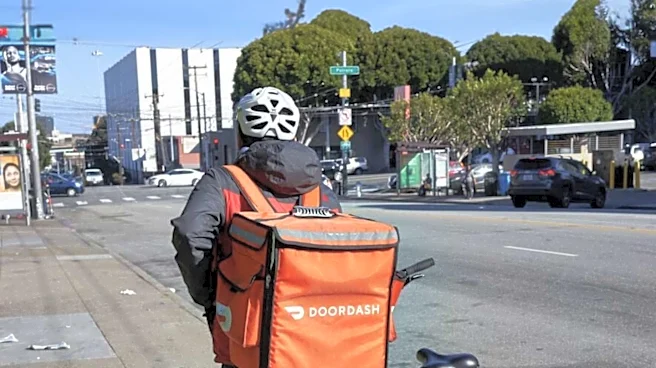
The Federal Trade Commission (FTC) has initiated an investigation into nine major companies, including Walmart, DoorDash, Instacart, Target, Uber, Lyft, Delta, United, and JetBlue, to examine how they set prices and whether personal data influences individual
consumer costs. On October 28, the FTC issued special orders demanding detailed information on pricing algorithms, software, and factors like location, income, browsing history, shopping behavior, and estimated willingness to pay. The inquiry also extends to how gig workers' compensation is calculated by ride-hailing and delivery platforms. This investigation follows earlier findings that suggested personal data could be used to target consumers with different prices for identical goods and services, moving beyond technology intermediaries to directly scrutinize the businesses making pricing decisions.
Why It's Important?
This FTC probe is significant because it addresses growing concerns about price discrimination and transparency in consumer markets. If companies are found to be using personal data to charge different prices to different individuals for the same product or service, it could erode consumer trust and lead to calls for stricter regulations. The investigation also touches upon the fairness of compensation for gig workers, a critical issue in the modern economy. The findings could lead to new policies aimed at ensuring more equitable pricing practices and greater transparency for both consumers and workers, potentially reshaping how major industries operate and interact with their customer bases. The probe highlights the ethical and economic implications of data utilization in pricing strategies.
What's Next?
The nine companies have 45 days to submit the requested detailed information to the FTC. Failure to comply could result in federal court orders compelling their response. The FTC plans to use the collected data to produce a study examining the role of personal data in setting consumer prices and worker compensation, aiming to distinguish between legitimate market dynamics and potentially discriminatory practices. This study could form the basis for future regulatory actions, policy recommendations, or enforcement efforts. Consumers and advocacy groups will be closely watching the developments, and the outcome could influence public perception and legislative efforts regarding data privacy and pricing fairness in the digital age.
Beyond the Headlines
The FTC's investigation delves into the complex ethical and legal dimensions of algorithmic pricing and data privacy. The core question is whether companies are leveraging vast amounts of personal data to exploit individual consumers' willingness to pay, rather than simply responding to market demand. This raises fundamental questions about consumer rights in the digital economy and the extent to which personal information should be used for commercial advantage. The probe could also spark a broader public debate about the transparency of pricing models and the need for consumers to understand how their data influences the prices they see. Ultimately, the findings could lead to a re-evaluation of existing consumer protection laws in the context of advanced data analytics and artificial intelligence in pricing.