



What's Happening?
Ten years after the Brexit vote, the United Kingdom continues to grapple with political and economic challenges stemming from its decision to leave the European Union. The vote, which saw a narrow majority favoring departure, has led to a series of political upheavals,
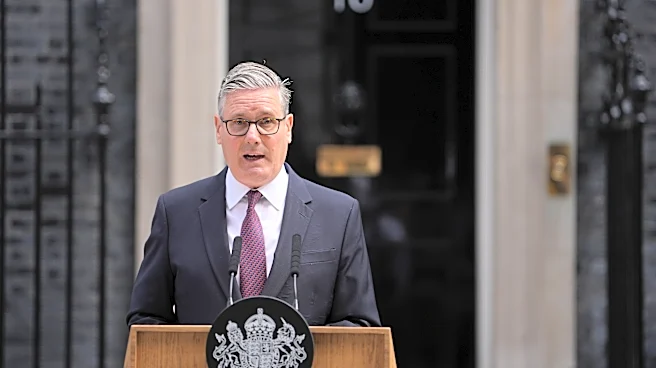
including the resignation of multiple prime ministers. The latest to step down is Labour Prime Minister Keir Starmer, citing a sluggish economy and a divided electorate as contributing factors. The Brexit decision has left a lasting impact on the UK's political landscape, with ongoing debates about immigration, trade, and national sovereignty.
Why It's Important?
Brexit has fundamentally altered the UK's relationship with the EU and its own internal political dynamics. The decision has led to economic uncertainties, affecting trade and investment, and has fueled political divisions within the country. The ongoing challenges highlight the complexities of disentangling from a long-standing political and economic union and the difficulties in achieving political consensus in a deeply divided society. The situation serves as a cautionary tale for other nations considering similar moves.
Beyond the Headlines
The Brexit saga has also contributed to a rise in political cynicism and a decline in public trust in political leaders. The economic and social impacts of Brexit continue to unfold, with potential long-term consequences for the UK's global standing and internal cohesion. The situation underscores the importance of clear communication and realistic expectations in political decision-making.