





What's Happening?
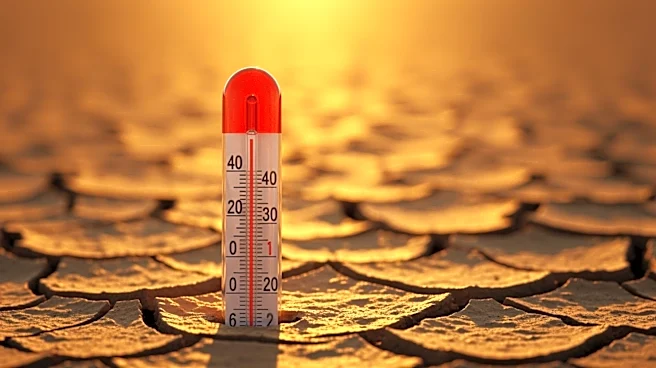
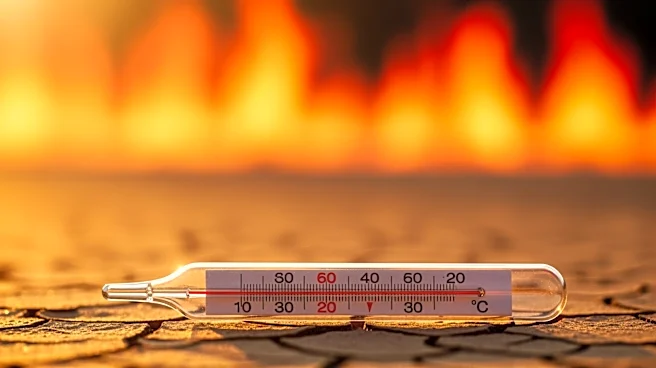
The National Oceanic and Atmospheric Administration (NOAA) has reported that March 2026 was the hottest on record in the United States, with ten states experiencing their highest temperatures in 131 years. This extreme warmth affected large areas from
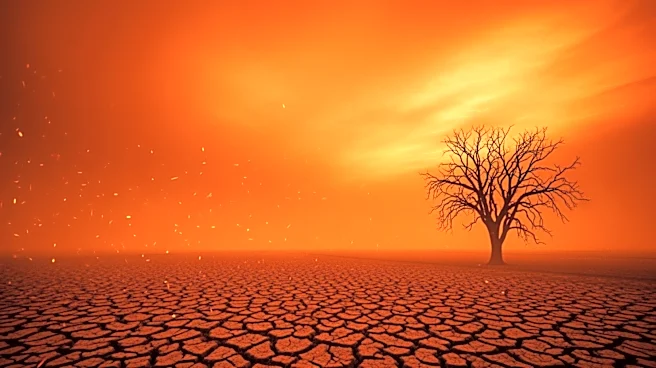
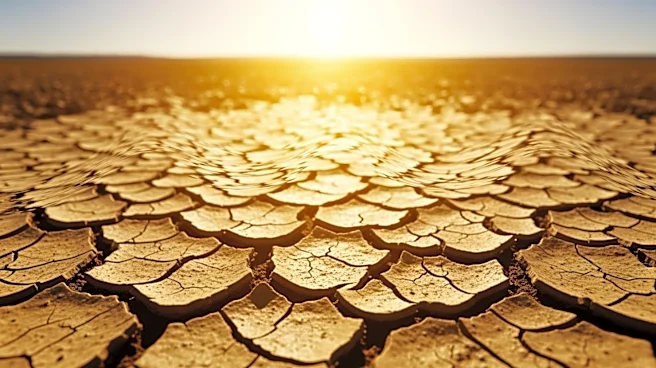
the West Coast through the Great Plains and into the South. The unprecedented heat has accelerated snowmelt, strained water resources, and extended drought conditions, particularly in the already dry regions of the West and Southwest. The drought has expanded to nearly 60% of the contiguous U.S., marking one of the largest drought footprints in recent years.
Why It's Important?
The record-breaking temperatures and expanding drought conditions have significant implications for the U.S. The early onset of extreme heat can lead to water shortages, impact agricultural productivity, and increase the risk of wildfires. These conditions also highlight the ongoing challenges posed by climate change, as such extreme weather events are becoming more frequent and severe. The economic impact could be substantial, affecting industries reliant on water resources and increasing costs for disaster response and recovery. Additionally, public health could be at risk due to heat-related illnesses and poor air quality from wildfires.
What's Next?
Forecasts indicate that above-average temperatures are likely to persist in the coming months, particularly in the West and parts of the Southeast. This could exacerbate drought conditions and increase the risk of wildfires. Experts warn that as climate change continues, the frequency and intensity of heatwaves are expected to rise, posing further challenges for resource management and disaster preparedness. Policymakers and communities may need to implement more robust climate adaptation and mitigation strategies to address these growing threats.