


What's Happening?
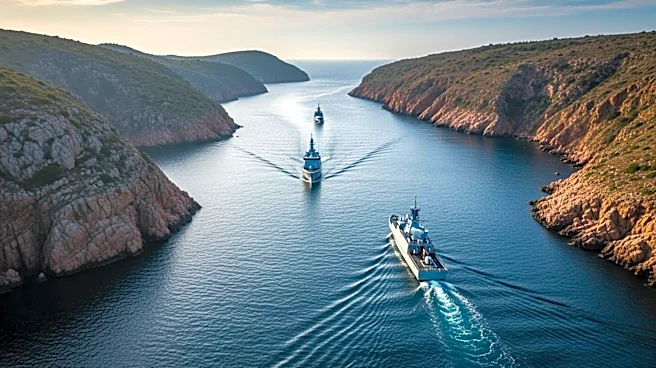
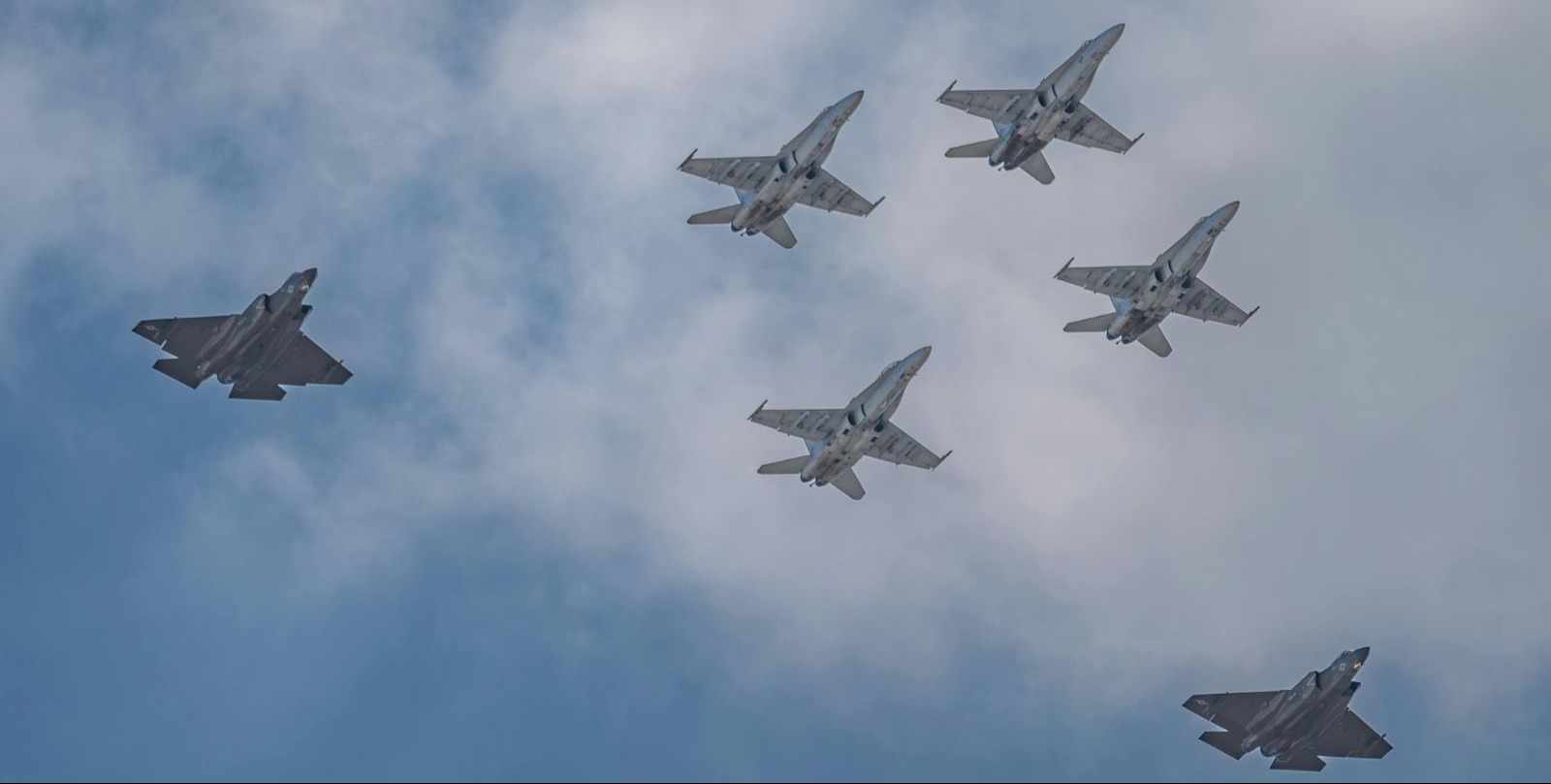
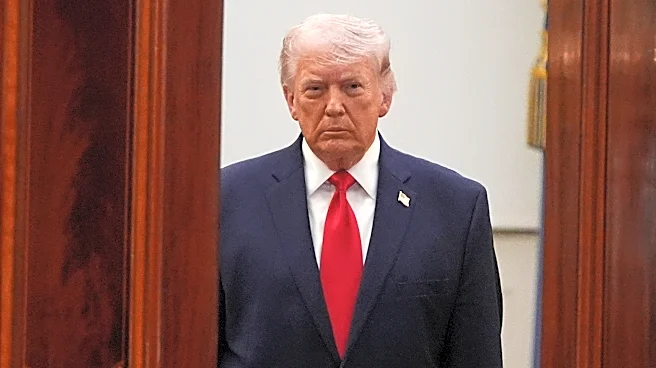
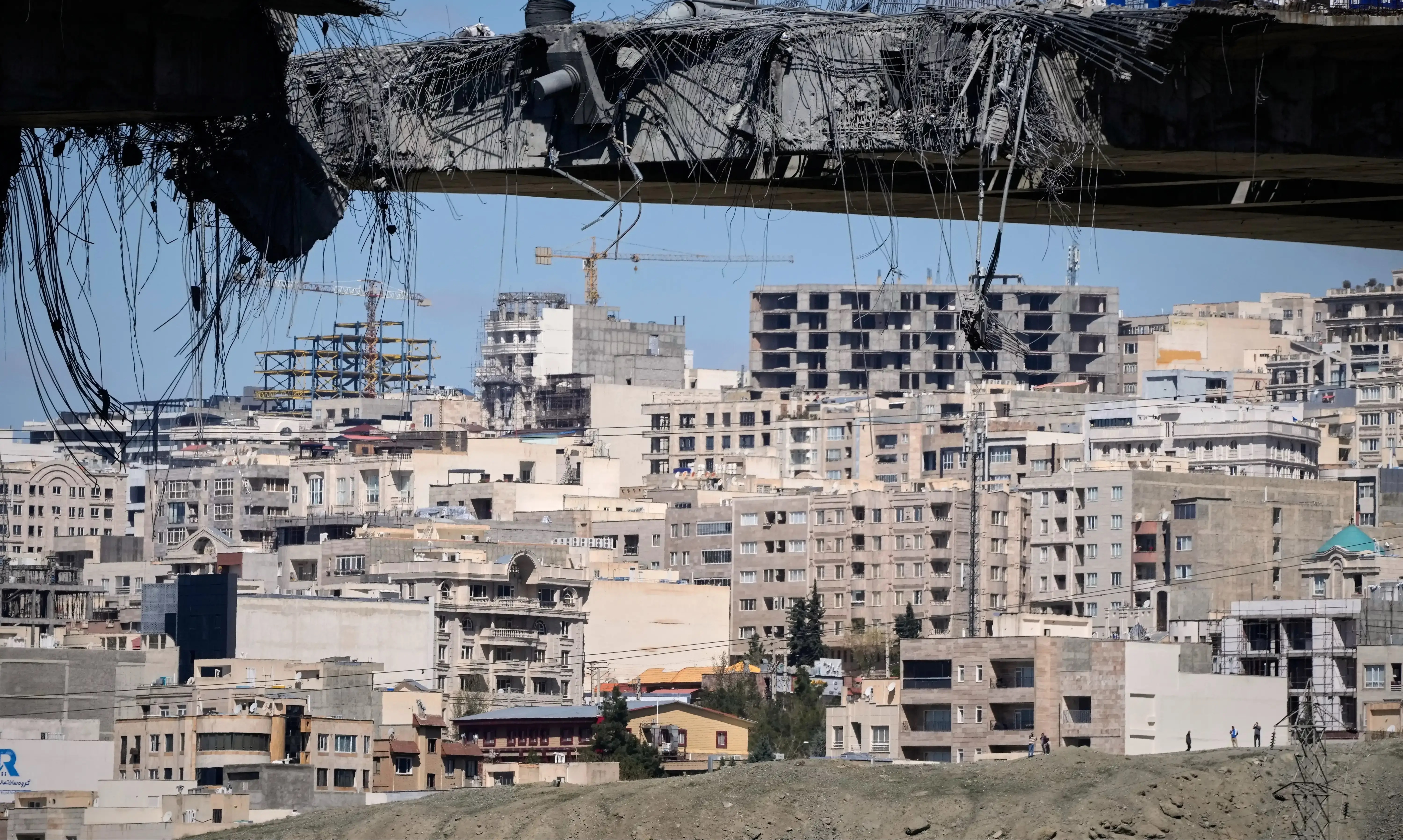
Oil prices have increased after President Trump threatened military action against Iran if the Strait of Hormuz is not reopened. Brent crude rose to $110.60, and US crude reached $113.60. The threat follows Iran's closure of the strait in response to US and Israeli
military actions. A senior Iranian official stated that the strait would remain closed until Iran is compensated for war damages. The situation has led to a significant rise in US gas prices, now averaging $4.11 per gallon. OPEC+ nations have expressed concern over the attacks on energy sites and have agreed to increase oil output starting in May.
Why It's Important?
The Strait of Hormuz is a critical artery for global oil transport, and its closure has significant economic implications. The rise in oil prices affects not only the energy sector but also the broader economy, as increased transportation and production costs can lead to higher consumer prices. The situation underscores the vulnerability of global supply chains to geopolitical tensions. For the US, the increase in gas prices adds pressure on consumers and businesses, potentially affecting economic recovery efforts. The international response, including OPEC+'s decision to increase output, highlights the global reliance on stable energy supplies and the potential for market volatility.
What's Next?
The next steps depend on diplomatic and military developments. President Trump's ultimatum sets a critical deadline, and any military action could further destabilize the region. Diplomatic efforts, such as those by Oman, may offer a path to de-escalation. The international community will be watching closely, as any resolution or escalation will have significant implications for global energy markets. Businesses and consumers should prepare for continued uncertainty in energy prices and potential disruptions in supply chains.