



What's Happening?
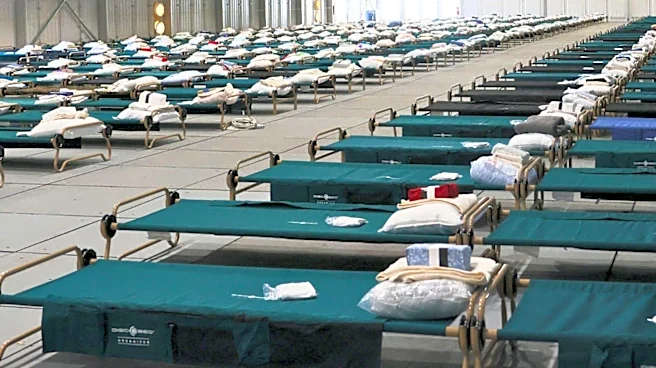
Vermont is increasing its homeless shelter capacity in preparation for winter, with the number of beds in community shelters rising by nearly a quarter in the last year, from 583 to 721 households as of late October. Despite this expansion, the state's
homeless population is estimated at nearly 3,300 people, indicating a significant unmet need. Several new initiatives are underway: Capstone Community Action in Montpelier plans to open an overnight low-barrier shelter at the Unitarian Church on November 16, while the Upper Valley Haven in White River Junction aims to open 20 beds at its new shelter and resource center by the end of the month. Groundworks Collaborative in Brattleboro recently opened a new 40-bed shelter, and Charter House in Middlebury has expanded its facilities. Additionally, Vermont will continue to rely on state-funded extreme cold weather shelters, with the temperature trigger for activation raised from zero to 10 degrees Fahrenheit, significantly increasing their operational frequency. A new website, GetWarmNowVT.org, will provide real-time information on shelter activations.
Why It's Important?
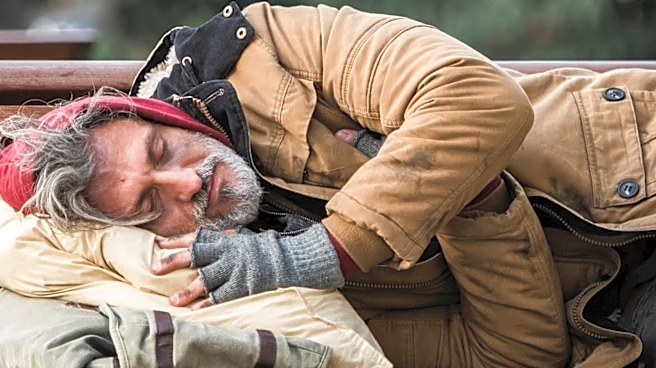
The expansion of homeless shelter capacity in Vermont is critically important as winter approaches, directly addressing the immediate safety and well-being of a vulnerable population. The significant gap between available beds and the estimated homeless population highlights an ongoing humanitarian crisis within the state. By increasing the temperature threshold for extreme cold shelters, Vermont is proactively working to prevent cold-related illnesses and deaths, demonstrating a heightened commitment to public health and safety. The development of new facilities and the expansion of existing ones, such as those in Montpelier, White River Junction, and Brattleboro, represent tangible efforts to provide stable, warm environments. This collective action by state agencies and non-profit organizations underscores the severe impact of homelessness and the urgent need for comprehensive solutions, affecting public services, healthcare systems, and community resources across Vermont.
What's Next?
Capstone Community Action in Montpelier is actively seeking dedicated space to expand its operations beyond the winter season, indicating a long-term vision for addressing homelessness. The Upper Valley Haven's new shelter and resource center will become operational by the end of the month, adding crucial capacity. Vermont Interfaith Action and Green Mountain Justice are finalizing extreme cold shelter operations in multiple towns, including Bennington, Burlington, Middlebury, Montpelier, Springfield, and St. Johnsbury, with the new GetWarmNowVT.org website providing real-time updates. Rutland and Brattleboro are still in discussions about offering additional winter shelter options. The state's motel voucher program will also see loosened access rules from December 1 to March 31, allowing for 1,000 rooms per night, up from 700, and waiving the 70-night maximum stay during this period. These measures aim to provide immediate relief, but the long-term goal remains to establish more permanent, year-round solutions.
Beyond the Headlines
The ongoing struggle to meet the needs of Vermont's homeless population, despite increased shelter capacity, points to deeper systemic issues beyond just a lack of beds. Factors such as affordable housing shortages, economic disparities, mental health challenges, and substance abuse often contribute to homelessness. The reliance on temporary solutions like extreme cold shelters, while necessary, underscores the need for more robust, year-round support systems and preventative measures. The efforts by various organizations and the state highlight a growing recognition of homelessness as a complex social issue requiring multi-faceted approaches, including housing first initiatives, comprehensive support services, and policy changes. The community's response, including volunteer efforts and the dedication of non-profit organizations, reflects a collective commitment to human dignity and social responsibility, even as the scale of the problem remains daunting.