
What's Happening?
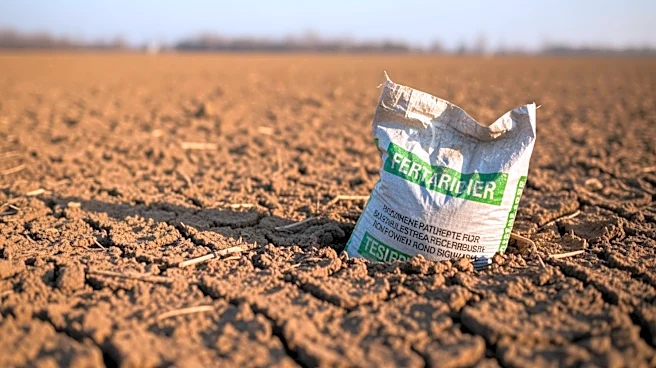
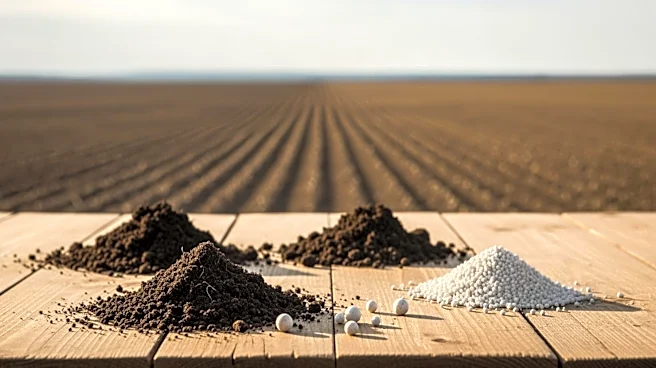
The ongoing conflict in Iran has led to a significant increase in fertilizer prices, which is expected to have a ripple effect on U.S. agriculture and food prices. The American Farm Bureau Federation has identified
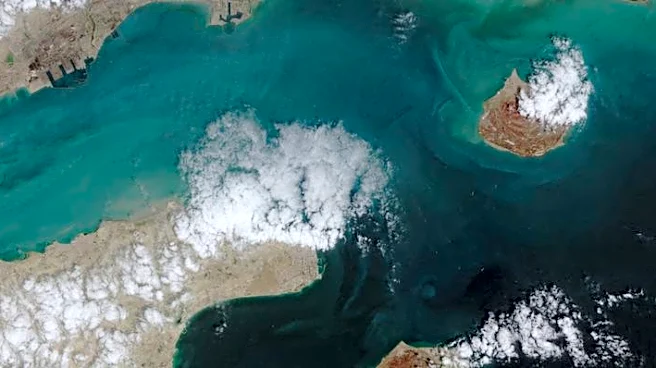
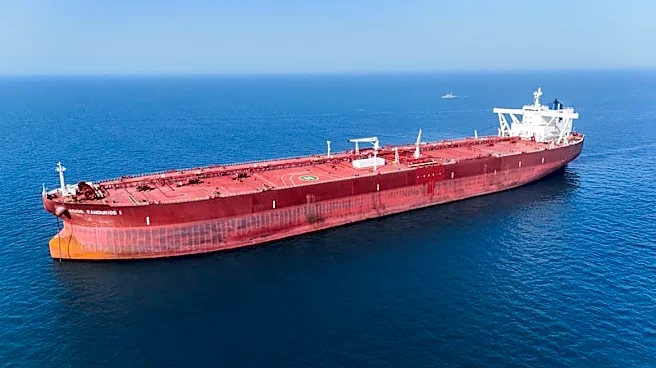
the virtual closure of the Strait of Hormuz as a primary factor in the rising costs. This strait is a crucial passage for about one-third of the global seaborne fertilizer trade. As a result, approximately 70% of U.S. farmers report being unable to afford the necessary fertilizer, potentially leading to reduced crop yields. The situation is exacerbated by the fact that countries involved in the conflict, such as Iran, Qatar, Saudi Arabia, and Egypt, are major exporters of urea and ammonia, essential components for plant growth. The inability to 'prebook' fertilizer at lower prices is also affecting farmers' budgets, particularly in the South and Northeast regions of the U.S.
Why It's Important?
The increase in fertilizer prices due to the Iran conflict is likely to have significant implications for the U.S. economy and consumers. With farmers unable to afford sufficient fertilizer, crop yields may decrease, leading to higher food prices. This situation could exacerbate existing inflationary pressures on grocery prices, affecting consumers nationwide. Additionally, the rise in diesel prices, linked to the strait's closure, further increases operational costs for farmers, impacting fieldwork, transportation, and irrigation. The Department of Agriculture is investigating potential collusion among fertilizer producers, which could lead to regulatory actions if price manipulation is found.
What's Next?
The U.S. Department of Agriculture plans to investigate whether fertilizer producers have colluded to raise prices. They are setting up an online service for farmers to report issues with agricultural suppliers confidentially. The department may collaborate with the Federal Trade Commission and the Justice Department if necessary. This investigation could lead to regulatory changes or legal actions to address potential market manipulation. Farmers and industry stakeholders will be closely monitoring these developments, as any findings could influence future pricing and availability of fertilizers.